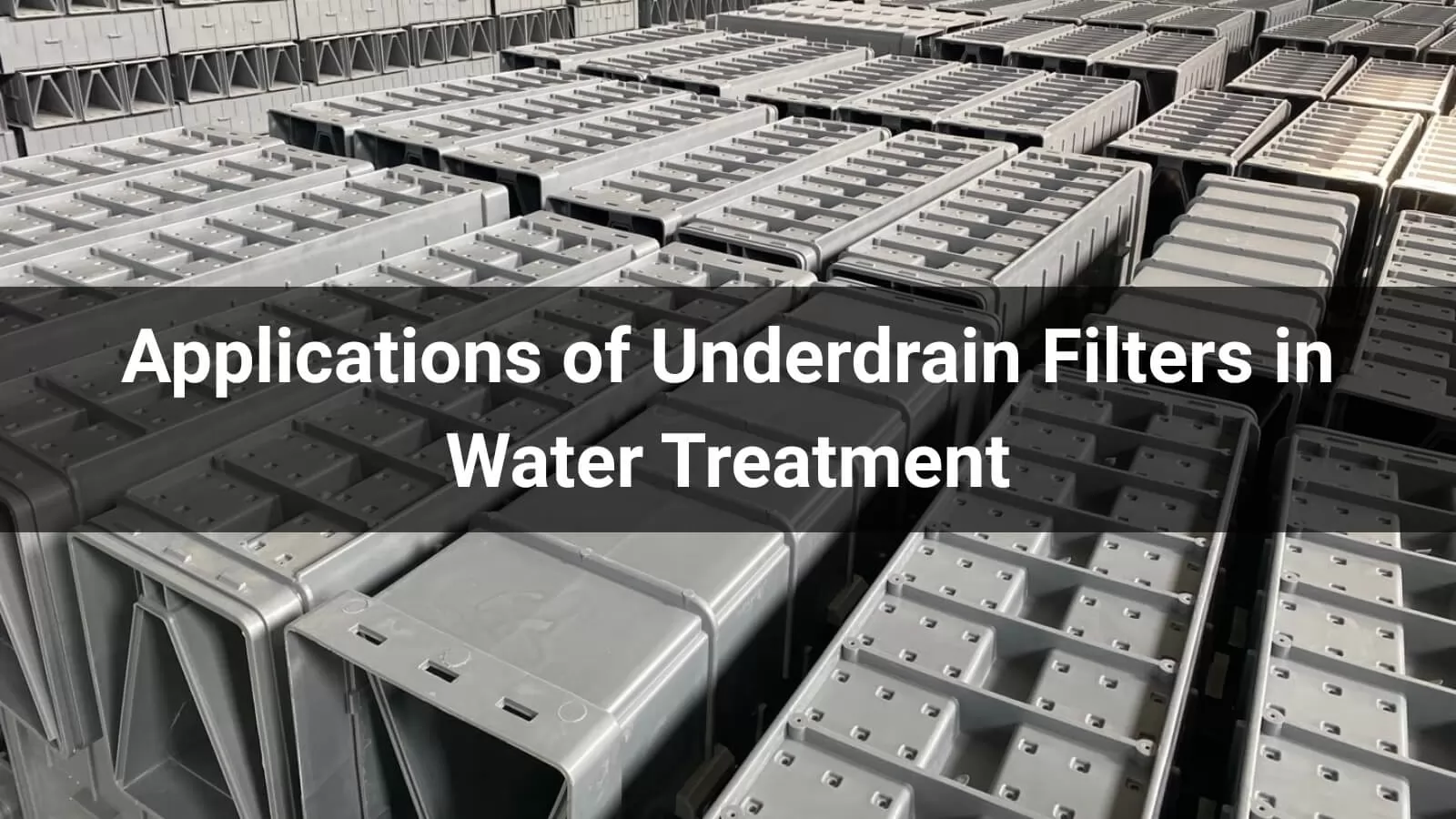
Ever wondered how water treatment systems remove fine particles and maintain consistent water quality day after day? How do municipal plants, industrial facilities, and desalination units ensure their filters work efficiently without frequent maintenance? The answer often lies in underdrain filters. These essential components support filter media, enable uniform flow, and ensure reliable backwashing, making them a key part of modern water treatment across a wide range of applications.
Keep reading to discover the six essential ways underdrain filters are used to optimize water treatment performance.
In municipal drinking water treatment plants, underdrain filters play a critical role in rapid sand filters and multimedia filtration systems. Installed at the bottom of filter tanks, the underdrain system supports the filter media while ensuring uniform collection of treated water across the entire filter bed.
A well-designed underdrain filter distributes influent flow evenly and prevents channeling, which directly improves filtration efficiency and effluent water quality. During backwashing, the underdrain system functions as both a water and air distribution network, allowing consistent expansion and cleaning of the filter media without media loss.
Underdrain filters are commonly used in surface water treatment plants to remove suspended solids, turbidity, algae, and fine particulates before disinfection. Their low head loss, high structural strength, and corrosion-resistant materials make them suitable for long-term municipal operation with minimal maintenance.
For drinking water applications, modern modular underdrain systems also support higher filtration rates and reduced backwash water consumption, helping municipalities improve operational efficiency while meeting increasingly strict drinking water quality standards.
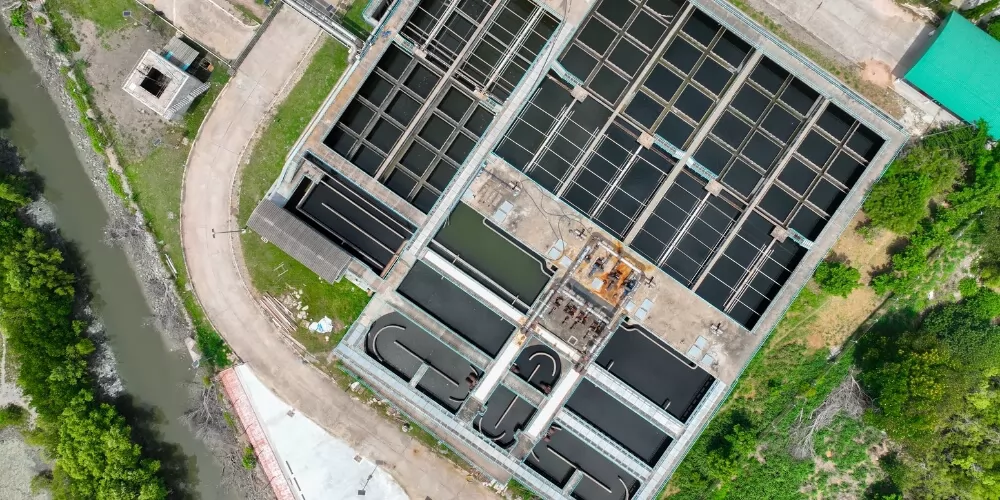
In wastewater treatment plants, underdrain filters are widely applied in tertiary treatment and advanced filtration stages to further polish secondary effluent. Their primary function is to support filter media and ensure uniform collection of treated water, enabling efficient removal of remaining suspended solids, fine particles, and organic matter.
Underdrain systems are commonly installed in rapid sand filters, multimedia filters, and biological aerated filters (BAF). In these applications, they provide stable structural support while allowing even distribution of air and backwash water, which is essential for maintaining biological activity and preventing media clogging.
During backwashing, a high-performance underdrain filter ensures consistent air scour and water flow across the filter bed. This uniformity reduces dead zones, improves solids removal, and extends the service life of the filter media. As a result, plants can maintain stable effluent quality while minimizing operational interruptions.
Underdrain filters are especially important in wastewater reuse and discharge compliance projects, where effluent must meet strict turbidity and suspended solids limits. Their durability, low head loss, and adaptability to different tank configurations make them a reliable solution for modern tertiary treatment systems.

In industrial process water treatment systems, underdrain filters are essential components of pressure filters and gravity filtration units used to protect equipment and maintain stable production processes. They support filter media while ensuring uniform water collection, which is critical for achieving consistent filtration performance in demanding industrial environments.
Underdrain systems are widely applied in industries such as power generation, petrochemical processing, food and beverage, pharmaceuticals, electronics, and manufacturing. In these sectors, process water must meet specific quality requirements to prevent scaling, fouling, or corrosion in boilers, cooling systems, and production lines.
A properly engineered underdrain filter minimizes head loss and prevents uneven flow distribution, reducing the risk of channeling and premature media failure. During backwashing, the underdrain ensures even air and water distribution, allowing efficient cleaning of the filter bed and reducing downtime.
Thanks to their chemical resistance, high load-bearing capacity, and modular design, modern underdrain filters can be customized to handle varying flow rates, temperatures, and water qualities. This flexibility makes them a reliable solution for continuous industrial operation and long-term cost control.
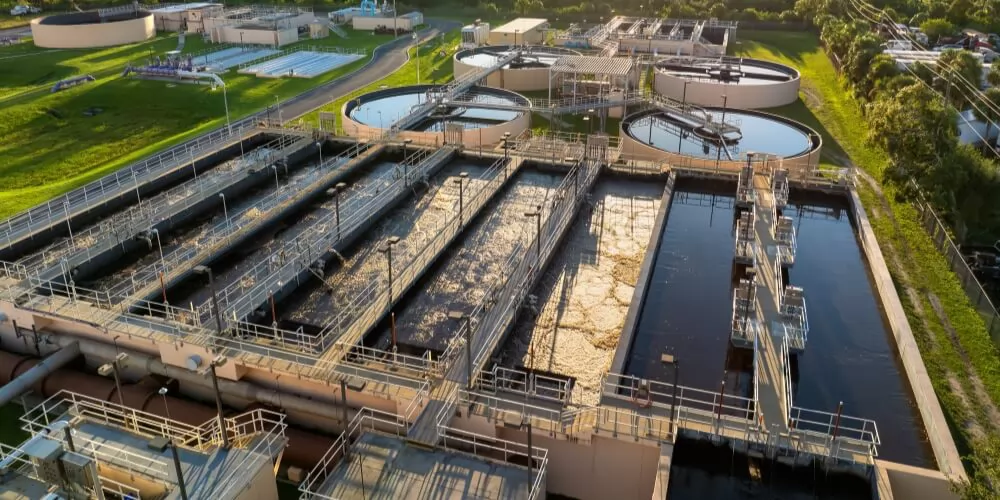
In seawater and brackish water desalination plants, underdrain filters are a key component of pre-treatment filtration systems designed to protect downstream membranes. Installed in rapid sand filters or multimedia filters, underdrain systems ensure uniform water collection and stable filtration performance under high salinity conditions.
Effective pre-treatment is critical for reverse osmosis (RO) and ultrafiltration (UF) systems, as suspended solids, silt, and organic matter can cause membrane fouling and reduce system efficiency. Underdrain filters help maintain consistent flow distribution across the filter bed, improving particulate removal and reducing silt density index (SDI) levels before membrane treatment.
During backwashing, underdrain systems provide even air and water distribution, allowing thorough cleaning of the filter media without disturbance or loss. This uniform backwash process extends media life and ensures reliable operation in high-capacity desalination facilities.
Manufactured from corrosion-resistant materials, modern underdrain filters are well-suited for harsh marine environments. Their low head loss and high hydraulic efficiency contribute to reduced energy consumption, making them an essential element in cost-effective desalination pre-treatment systems.
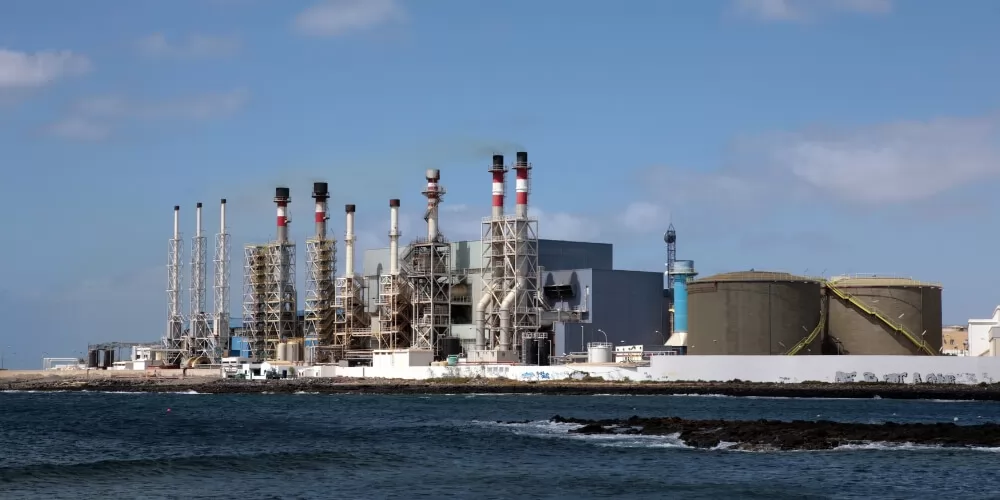
Underdrain filters are increasingly used in stormwater management systems to treat runoff before discharge or reuse. In filtration-based stormwater treatment units, underdrain systems support the filter media and ensure uniform drainage, enabling effective removal of sediments, suspended solids, and associated pollutants.
Stormwater runoff often contains sand, silt, debris, oils, and heavy metals collected from roads, industrial areas, and urban surfaces. Underdrain filters help maintain stable flow through the filter bed, preventing short-circuiting and improving overall treatment efficiency during variable flow conditions.
During high-flow events, a well-designed underdrain system reduces hydraulic resistance and minimizes clogging risks. It also allows efficient backwashing or maintenance flushing where applicable, helping extend the service life of the filtration media.
Underdrain filters are commonly integrated into detention basins, underground stormwater filtration units, and green infrastructure systems. Their structural strength, durability, and low maintenance requirements make them suitable for long-term stormwater control projects aimed at meeting environmental discharge regulations.

Underdrain filters are also widely applied in specialized commercial water treatment systems where stable filtration performance and compact design are required. Common applications include hotels, hospitals, shopping centers, data centers, and large public facilities that rely on high-quality water for daily operations.
In commercial buildings, underdrain systems are used in filtration units for cooling water systems, boiler feed water, and reclaimed water reuse. By ensuring uniform flow distribution and efficient backwashing, underdrain filters help reduce suspended solids, protect downstream equipment, and lower maintenance costs.
Recreational water facilities, such as swimming pools and water parks, also benefit from underdrain filters. In these systems, underdrain technology supports filter media and enables consistent water circulation, improving clarity and hygiene while maintaining compliance with health standards.
Thanks to their modular structure and flexible installation, underdrain filters can be adapted to space-limited mechanical rooms and retrofit projects. Their reliability, long service life, and low operational requirements make them a preferred filtration solution for diverse commercial water treatment applications.
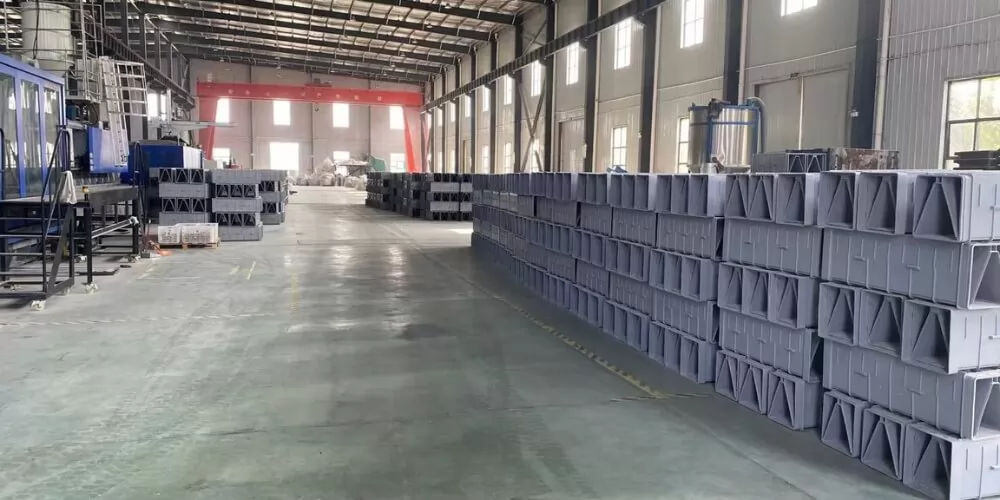
Underdrain filters are essential to efficient water treatment, ensuring uniform flow distribution, stable filtration performance, and effective backwashing across a wide range of applications. For reliable and customizable underdrain filter solutions, Weilan is a trusted choice, offering proven technical expertise and long-term performance for modern water treatment projects.


Your Name*
Your Email*

The article explains the operation of underdrain filters, covering filtration rates, backwashing steps, media settling, routine inspections, and basic troubleshooting tips.

Discover the top 10 water treatment plant EPC contractors in 2025, including global leaders delivering advanced, efficient and sustainable solutions for municipal and industrial water projects.

Explore 2026 underdrain filter prices by type, material, and system size. Compare cost ranges, key factors, FAQs, and learn how to choose the right underdrain solution.