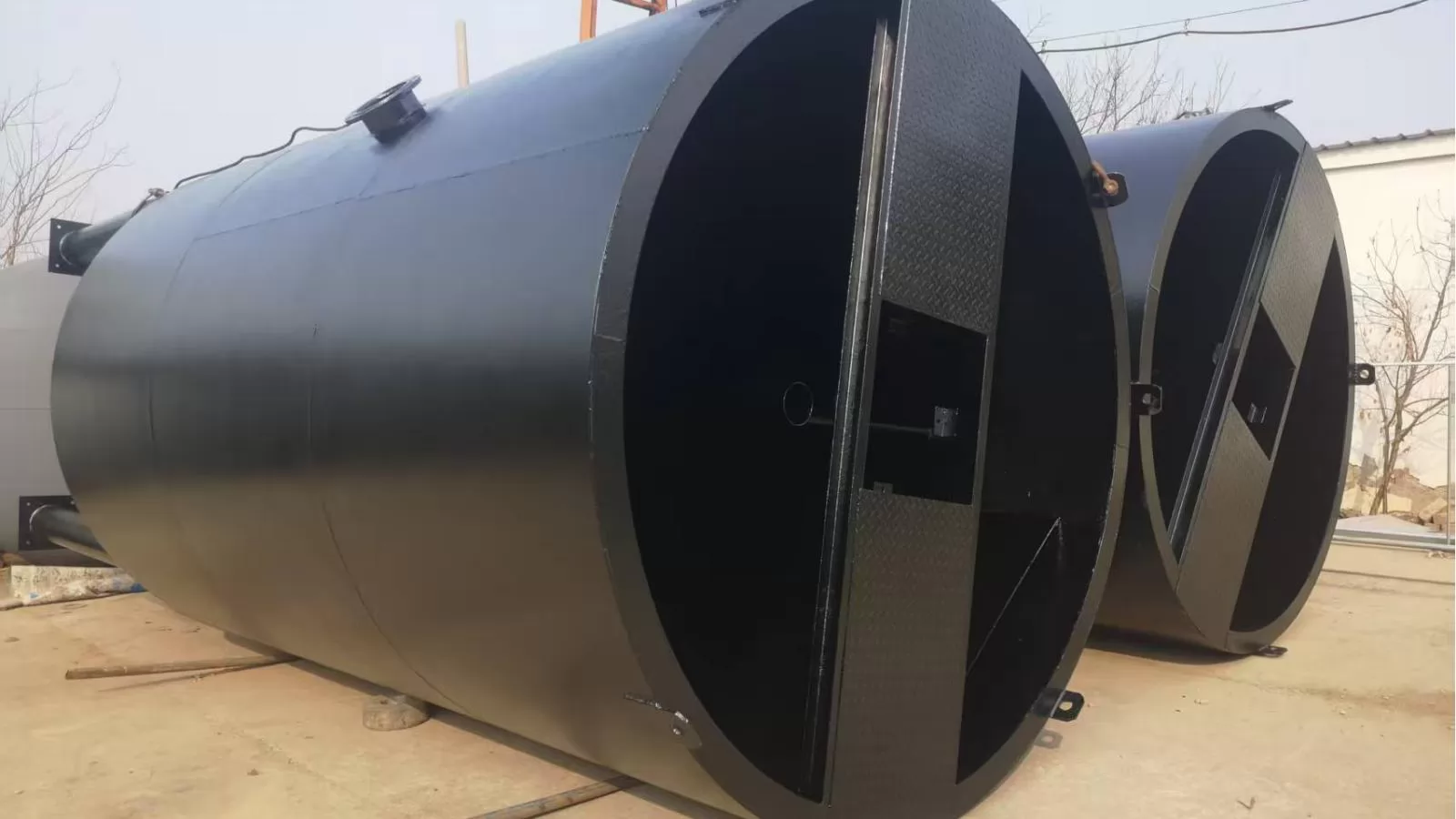
Continuous sand filtration is a critical technology in modern municipal and industrial water treatment. The Dynasand filter system provides high-efficiency solids removal with continuous operation, minimizing downtime and maintenance requirements. Its unique moving-bed design allows simultaneous filtration and backwashing, ensuring consistent performance under varying load conditions.
In modern industrial water treatment and municipal water supply sectors, the demands for system reliability and filtrate quality consistency are increasingly stringent. However, traditional rapid sand filtration, a pivotal step in solid-liquid separation, has long posed a significant process optimization bottleneck due to its inherent intermittent operation mode (Batch Operation).
Conventional filtration systems rely on hydraulic interruption to execute the backwash cycle, causing the system to consistently encounter the following engineering challenges:
Process Downtime: Production capacity is fully interrupted during backwash, necessitating costly redundant (N+1) configurations.
Filtrate Quality Variability: The filter media must undergo a "Ripening Period" after backwash, during which initial filtrate quality is often suboptimal or non-compliant.
Energy Spikes: Backwashing requires high-power pumps to deliver high dynamic head instantaneously, leading to immense instantaneous energy consumption.
1.1 Dynasand Technical Background: The Genesis of Continuous Contact Filtration
Dynasand filtration technology was developed precisely to mitigate these fundamental contradictions. The core technical innovation lies in completely decoupling the timeline of filtration and media regeneration, allowing both functions to be performed simultaneously and continuously within a single unit.
The central philosophy of the Dynasand system is "Continuous Contact Filtration":
Definition: Dynasand is a deep-bed filter based on the Counter-Current Principle. It utilizes a Dynamic Moving Bed design and a continuous Airlift Pump cycle to achieve true Steady-State Operation in the filtration process.
1.2 Technical Foundation for Industrial Authority
This technology successfully executes the transition from a "filtration device" to a "continuous steady-state reactor." Its industrial authority is based on the following key technical features:
Fluid Dynamics Innovation: The introduction of Counter-Current Filtration ensures that the relative motion between the water flow and the filter media is always in the optimal gradient for solids capture.
Energy Optimization: By deploying the Airlift Pump instead of mechanical backwash pumps and blowers, the system transforms high-intensity hydraulic backwash into low-energy pneumatic conveying.
Industrial Validation: Dynasand technology boasts over 15,000+ successful application cases globally across municipal water supply, tertiary wastewater treatment, and industrial circulating water systems, establishing it as a proven, reliable industrial solution.
The subsequent sections of this white paper will thoroughly analyze how Dynasand delivers significant economic benefits through its sophisticated Operation and robust Design.
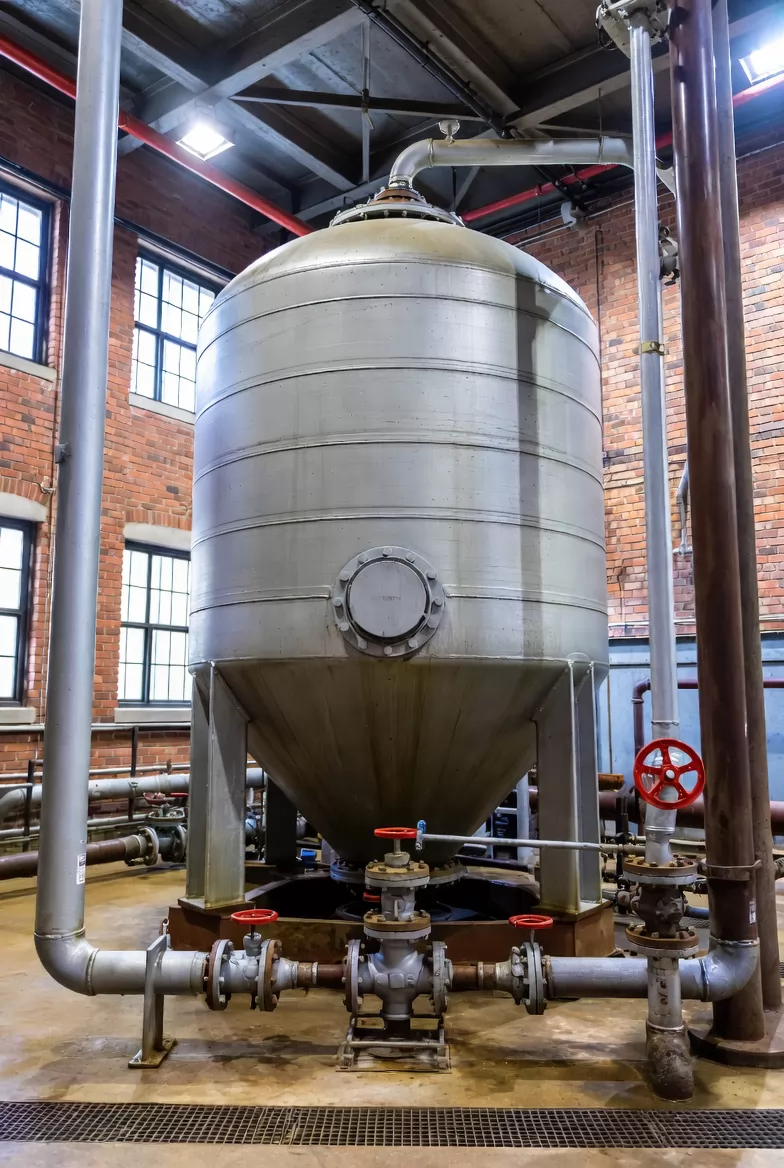
This section details the intricate, continuous-loop mechanism that enables the Dynasand filter to simultaneously execute the filtration and media regeneration processes, thus achieving Steady-State Operation. The entire mechanism is governed by specific principles of fluid dynamics, gravity, and pneumatic energy.
2.1 The Counter-Current Filtration Principle
The Dynasand filter's exceptional performance begins with its unique flow geometry—a direct reversal of traditional deep-bed filtration.
Influent Flow Direction: Raw water (influent) is introduced through the inlet distributor located at the lower section of the unit and flows upwards through the sand media.
Media Flow Direction: The filter media (sand) is continuously, though slowly, transported downwards by gravity toward the collection area at the bottom.
This counter-current action ensures that the dirtiest influent water first contacts the oldest (most contaminated) media at the bottom, while the cleanest water exiting the unit has just passed through the freshly cleaned media at the top. This results in maximum utilization of the entire filter bed depth and ensures the final filtrate is consistently polished by the cleanest media.
2.2 The Airlift Pump Regeneration System
The key to continuous operation is the mechanism that transports the soiled media without requiring any internal moving parts—the airlift pump.
Pneumatic Energy Conversion: Compressed air is introduced at the base of the central internal pipe (the airlift pump). The air bubbles mix with the dirty sand and water, creating a three-phase flow (air-water-solid) with a significantly lower density than the surrounding water column.
Hydrostatic Lifting: The resulting difference in hydrostatic pressure drives the low-density mixture upwards. The soiled sand is continuously drawn from the bottom of the unit and carried to the sand washer located at the top.
Engineering Advantage: This system eliminates the need for mechanical pumps, bearings, or seals within the filter media, drastically reducing wear and subsequent maintenance requirements.
2.3 The Labyrinth Sand Washer and Separation
Once the sand reaches the top of the unit, the final separation of impurities occurs in the specialized sand washer.
Initial Cleaning: The turbulent mixing action within the airlift pump tube provides an initial, highly effective scrubbing action, physically separating most of the captured solids from the sand grains.
Gravity Separation: The mixture overflows the airlift pump outlet and enters the labyrinth washer. A small volume of clean filtrate is introduced as a gentle counter-current wash. Heavier, clean sand grains quickly settle back onto the filter bed due to gravity.
Impurity Discharge: The lighter impurities, suspended solids, and the wash water are carried away and continuously discharged through the wash water outlet at the top.
The cleaned sand is immediately reintroduced to the top of the filter bed, ready to resume its filtration role, completing the continuous, self-regenerating cycle.
2.4 Steady-State Operation
The continuous nature of filtration and regeneration ensures the system operates in a steady-state condition.
Stable Head Loss: Unlike traditional filters where head loss constantly increases until backwash is required, the continuous movement and cleaning of the media ensure that the differential pressure (head loss) across the filter bed remains virtually constant and predictable.
Uninterrupted Flow: The process eliminates the need for operational downtime or production interruption, maximizing the system's overall availability and throughput.
Optimizing a continuous filtration system requires a delicate balance between hydraulic capacity and separation efficiency. The table below outlines the key parameters that define the Dynasand configuration and their respective operational impacts
3. Representative Process Applications
Dynasand systems are available in several process configurations to address different treatment objectives, ranging from simple solids removal to advanced biological nutrient control. The variants below summarize how each configuration modifies aeration, media behavior, and reactor microbiology to achieve specific performance outcomes.
Standard Type (Physical Filtration)
Oxy Type (Nitrification)
Deni Type (Denitrification)
Carbon Type
EcoWash Low-Energy Option
Although the Dynasand filter is designed for fully continuous operation without backwash cycles, proper operation and targeted maintenance are essential to sustaining long-term performance. This section summarizes the key procedures and parameters engineers should manage to ensure stable hydraulics, reliable sand circulation, and consistent effluent quality across municipal and industrial applications.
Maintaining the correct upward filtration velocity is critical to avoid bed expansion, channeling, or solids breakthrough. Typical loading rates range between 5–10 m/h, depending on influent characteristics and process configuration (Standard, Oxy, Deni, or Carbon type). Stable feed distribution ensures uniform vertical flow through the media bed.
The internal air-lift pump transports sand to the washing chamber, where solids are separated and the cleaned media is returned to the bottom of the bed. Consistent circulation:
Prevents excessive headloss buildup
Ensures uniform media quality
Stabilizes effluent turbidity
Visual or instrumentation-based confirmation of steady sand movement should be part of routine checks.
The internal washer uses a controlled wash-water stream to clean sand. Proper tuning avoids:
Excessive water consumption
Loss of fine media
Insufficient solids removal
Sludge or reject flow clarity is often a quick indicator of internal washing effectiveness.
The air-lift requires clean, dry air at a stable pressure to maintain reliable media transport. Pressure fluctuations, oil contamination, or moisture slugging may cause intermittent washing or erratic circulation.
Operators should regularly track:
• Headloss Development
Gradual increases are normal; sudden spikes indicate poor circulation, clogging, or abnormal influent loading.
• Sand Bed Height
Bed level must remain within design limits to maintain proper hydraulic profile and prevent media loss.
• Effluent Quality (TSS/Turbidity)
Stable turbidity (<2–5 NTU in tertiary applications) confirms proper internal function. Deviations should trigger inspection of air-lift performance and hydraulic stability.
• Air-Lift Pump Performance
Changes in sound, pressure, or air delivery often signal nozzle wear, scaling, or obstruction.
Clean blower filters
Drain condensate from air lines
Inspect diffusers for scaling or wear
Although the washer has no moving parts, periodic checks ensure:
Even wash distribution
No accumulation of debris
Structural integrity of the wash cone and channels
Annual media testing is recommended. Excessive fines or abrasion indicate the need for partial replenishment, especially in high-solids industrial applications.
Regularly inspect:
Inlet structures
Launders and weirs
Internal baffles
Corrosion or abrasion of metallic or FRP components
Turbidity meters, DO analyzers (Oxy), and nitrate sensors (Deni) require routine calibration to maintain process accuracy and automated control reliability.
Causes may include:
Insufficient sand movement
Overloading or hydraulic shock
Bed channeling
Air-lift malfunction
Rapid Headloss Accumulation
Often associated with:
Inadequate washing
Excessive influent solids
Biofouling in biological variants
Usually caused by:
Excessive wash flow
Air pressure overshoot
Structural wear in launders or wash components
When operated and maintained correctly, Dynasand filters offer:
True continuous filtration, no shutdown or backwash
Minimal operator intervention
High robustness under variable loading
Lower lifecycle costs due to absence of rotating mechanisms
Superior process stability compared to conventional granular filters
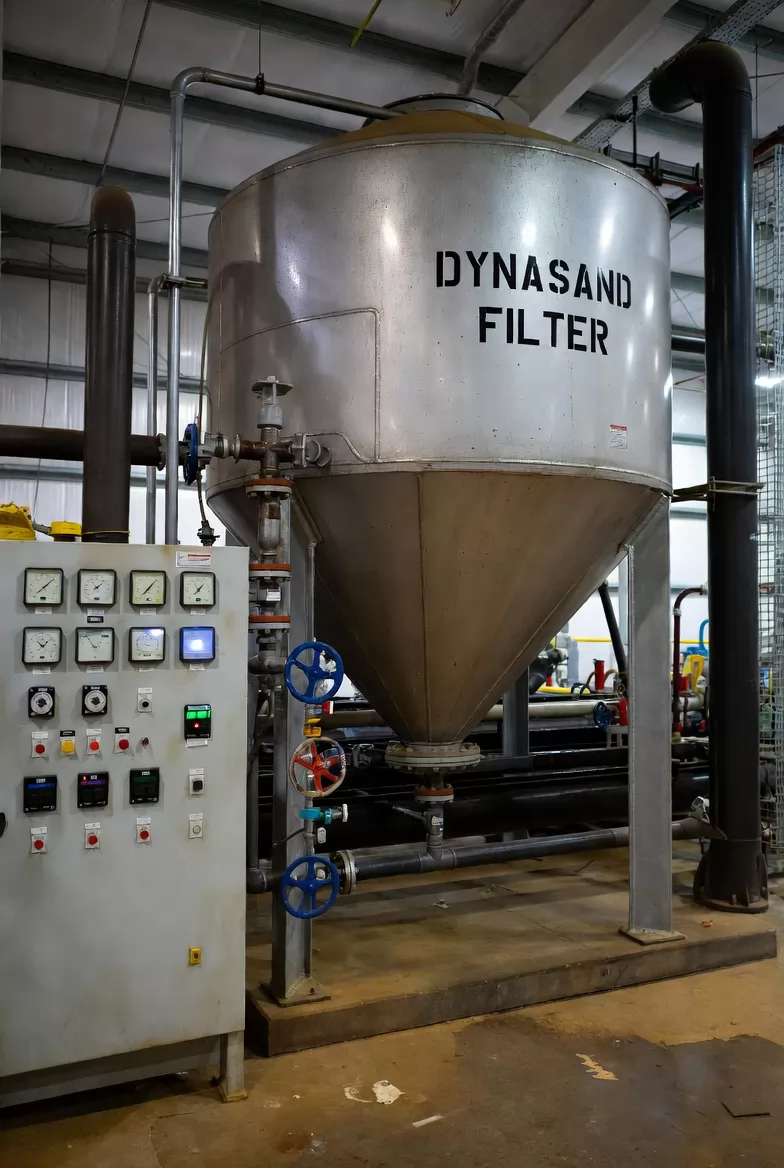
Dynasand is extensively used for polishing effluent from secondary clarifiers or MBR systems.
Typical objectives include:
Suspended solids reduction to <5–10 mg/L
Turbidity polishing to <1–2 NTU
Capture of fine biological solids and colloids
Supporting compliance with stringent discharge or reuse standards
Design drivers:
High fluctuation tolerance during peak wet-weather flows
Continuous operation eliminates backwash tanks and pumps
Small footprint suitable for retrofits and plant upgrades
Many industries require side-stream or full-stream filtration to control suspended solids, improve heat exchanger efficiency, and reduce scaling or fouling.
Typical sectors:
Power plants
Petrochemical and chemical plants
Steel and metallurgy
Paper and pulp
Food & beverage process water
Performance benefits:
50–80% reduction in circulating solids
Improved equipment longevity and heat transfer
Stable operation under variable inlet turbidity
Continuous sand filtration provides highly stable inlet conditions for RO, UF, and NF membranes.
Key advantages:
Reduction of particulate fouling load
Lower SDI/TSS and improved membrane run time
No hydraulic shocks from backwash cycles
Lower overall OPEX for desalination and reuse systems
This application is common in seawater desalination, industrial RO reuse, and high-purity water production.
RAS operations require continuous solids removal without disturbing hydraulic stability.
Why Dynasand fits well:
Steady-state removal of fine solids
Low shear and stable bio-environment
Ability to integrate nitrification (Oxy Type)
Compact footprint for indoor facilities
With Oxy and Deni configurations, Dynasand supports integrated biofilm processes.
Use cases:
Ammonia polishing downstream of secondary treatment
Compact TN reduction for municipal plants
Industrial wastewater with nitrate (food, fertilizer, electronics)
Retrofit sites lacking additional tank capacity
The combined filtration–biological functions make it especially attractive for low-footprint nitrogen removal upgrades.
In manufacturing industries where reuse targets are tightening, Dynasand acts as:
A polishing filter after DAF/chemical treatment
A pre-membrane filtration step
A solids and organics removal unit before advanced oxidation
This is common in semiconductor wastewater, textile dyeing, refinery wastewater, and ZLD process trains.
Dynasand’s tolerance to fluctuating influent quality makes it suitable for:
Stormwater filtration
Surface water solids and algae control
Decentralized treatment units with intermittent loads
Its continuous operation and simple O&M requirements reduce lifecycle operational complexity.
Many facilities adopt Dynasand to replace aging traditional media filters due to:
No need for backwash pumps, valves, or control logic
Reduced downtime and lower mechanical complexity
30–50% lower energy consumption
Higher automation potential (remote control, minimal operator attention)
This is a frequent upgrade path in municipal WWTPs, industrial cooling systems, and reuse plants.
To illustrate how Dynasand continuous filtration performs in real operational environments, the following case studies highlight representative installations across municipal, industrial, and reuse applications. Each case summarizes design conditions, achieved performance, and key lessons relevant to engineers and decision makers.
| Effluent Turbidity |
↓78%
6–8 NTU → 1–2 NTU
|
| Energy Reduction | ↓35% |
| Backwash Water | 3% reject only |
| SS Removal | 75% SS |
| Operational Uptime | >99% availability |
| Energy Impact | ↓20% |
| TN Reduction | 35–55% |
| Footprint Reduction | ~60% smaller |
| Operational Notes | Requires stable carbon feed |
As regulatory standards tighten and water reuse becomes more critical, continuous sand filtration is evolving rapidly. The following trends outline how Dynasand technology is expected to advance in automation, energy efficiency, hybrid treatment capability, and modularization.
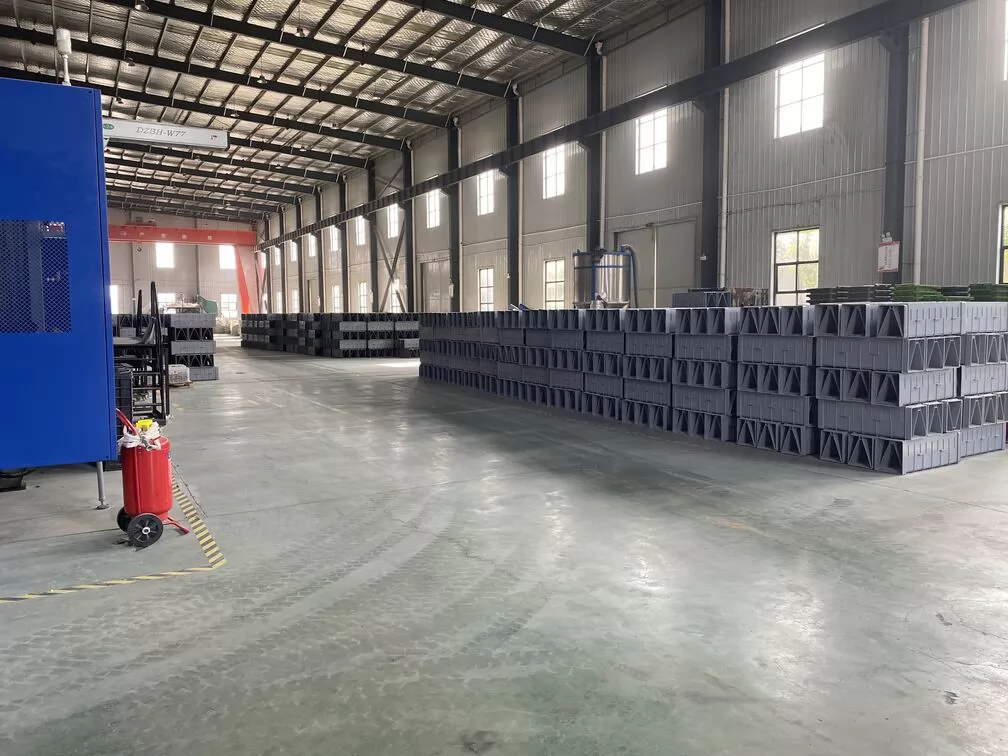 Dynasand continuous filtration technology provides a robust and energy-efficient solution for solids removal, advanced nutrient control, and industrial water polishing. Its continuous-wash mechanism eliminates backwash cycles, stabilizes effluent quality, and reduces operational complexity—making it a reliable platform for both municipal and industrial treatment challenges. With multiple process configurations and strong adaptability to fluctuating loads, Dynasand remains one of the most versatile and cost-effective filtration technologies available to modern water treatment engineers. As a technology-driven manufacturer, Weilan delivers engineered filtration and process-water solutions built around proven platforms such as Dynasand. We focus on high-reliability design, application-specific engineering, and long-term lifecycle support to help clients achieve stable, efficient, and sustainable water treatment performance.


Your Name*
Your Email*