
+86 137 1463 9464
info@weilanwaters.com
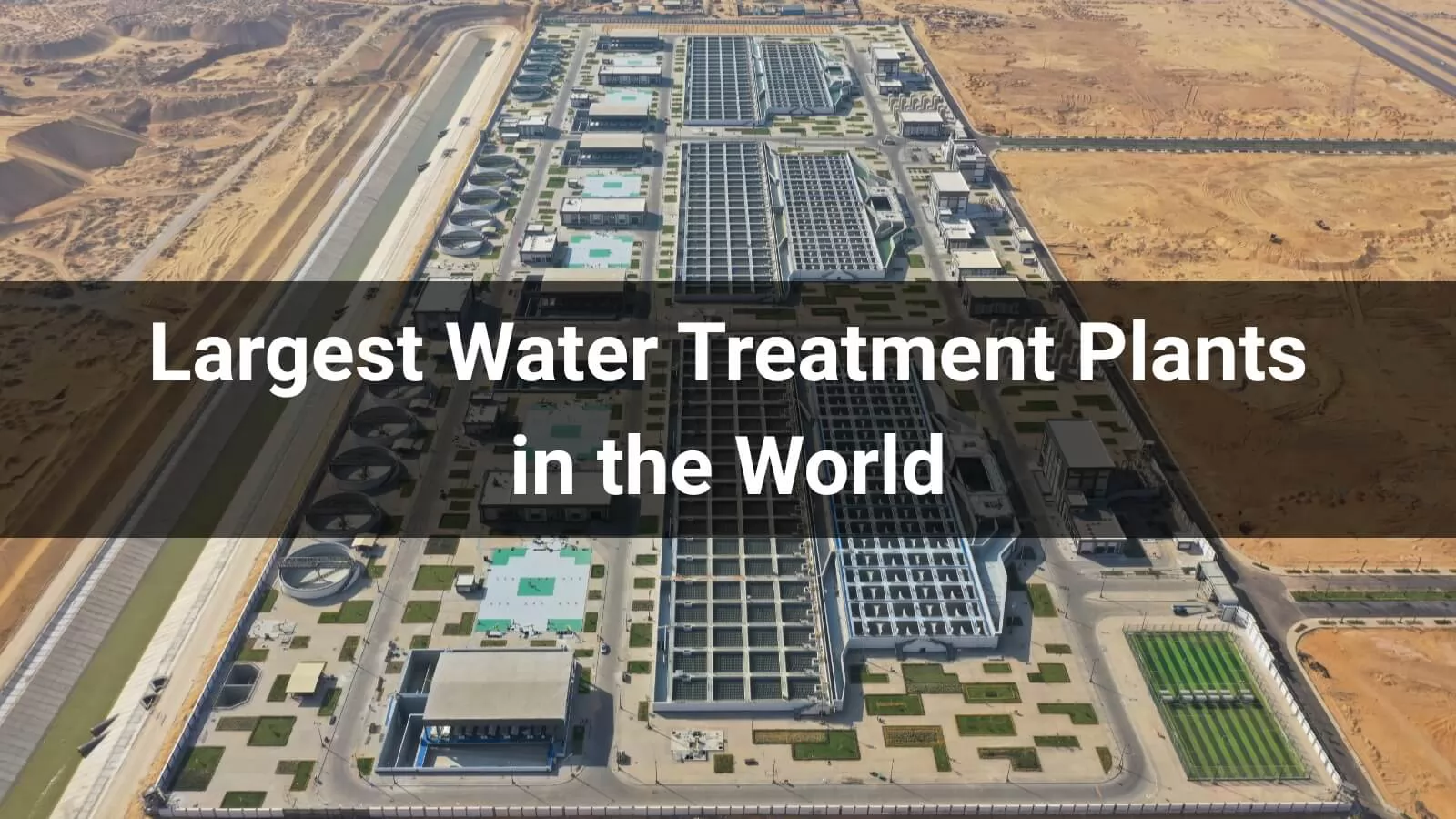
Have you ever wondered how the world’s most densely populated metropolises manage to provide safe, clean water to millions of people simultaneously? What does the engineering look like for a facility that can process over seven million cubic meters of water in a single day? As water scarcity becomes a global priority, which groundbreaking projects are currently leading the charge in massive-scale irrigation, wastewater reuse, and desalination?
This article highlights the 15 largest water treatment plants in the world, identifying key facilities like Egypt’s New Delta Irrigation Water Treatment Plant and Saudi Arabia’s Ras Al-Khair. These sites utilize advanced filtration, reverse osmosis, and nutrient removal technologies to support agricultural growth and urban sustainability across the globe.
This comprehensive guide examines the capacity and strategic importance of the mega-scale water infrastructures that define the modern water industry. Read on to explore the engineering marvels that are securing the future of our most precious resource.
| Project Name | Location |
| 1. New Delta Irrigation Water Treatment Plant | El Dabaa area, Matrouh Governorate, Egypt |
| 2. Jardine Water Purification Plant | Chicago, Illinois, United States |
| 3. Bhandup Water Treatment Complex | Bhandup, Mumbai, Maharashtra, India |
| 4. Sawyer Water Purification Plant | Chicago, Illinois, United States |
| 5. Guiteras Water Treatment Plant | Havana, Cuba |
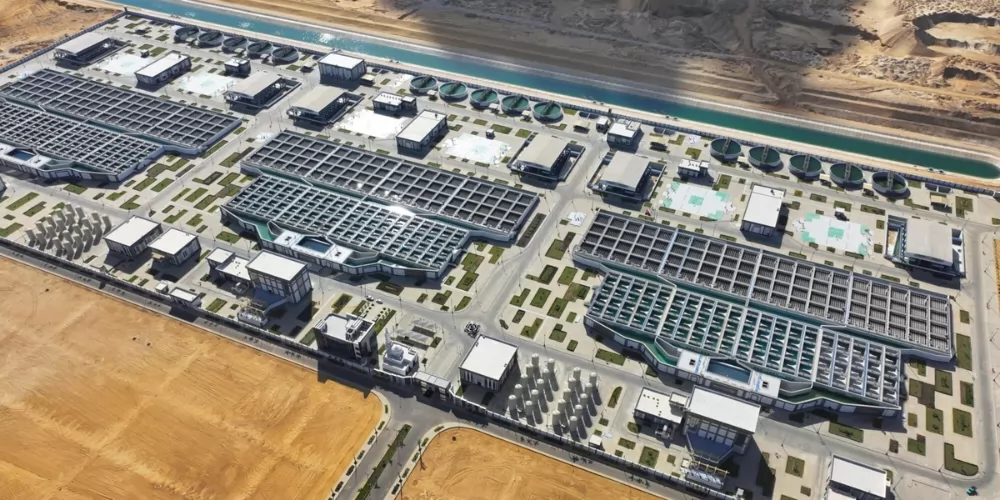
Capacity: Approximately 7.5 million m³/day (around 86.8 m³ per second)
Footprint: About 320,600 m² (approximately 32 hectares)
Completion Date: 2023
Location: El Dabaa area, Matrouh Governorate, Egypt
Introduction:
The New Delta Irrigation Water Treatment Plant is officially recognized as the largest water treatment plant in the world, setting global records for both treatment capacity and physical scale. With the ability to process 7.5 million cubic meters of water per day, the plant plays a central role in Egypt’s national water management strategy, addressing water scarcity while supporting large-scale agricultural expansion in the western Nile Delta.
Designed to treat and reuse agricultural drainage water, the facility supplies irrigation water for vast areas of newly reclaimed farmland under the New Delta project. Its massive footprint of over 320,000 square meters, combined with ultra-high flow processing capacity, makes it a benchmark project among the world’s largest water treatment plants and a landmark in modern water reuse engineering.
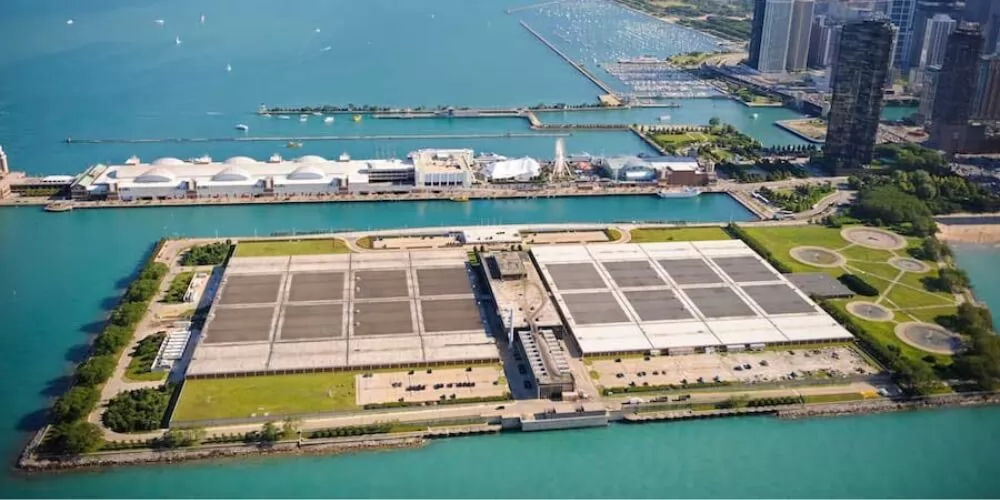
Capacity: Approximately 5.3 million m³/day (about 1.4 billion gallons per day)
Footprint: Covers more than 1.2 million m² including underground facilities
Completion Date: 1940
Location: Chicago, Illinois, United States
Introduction:
The Jardine Water Purification Plant is one of the largest and most important drinking water treatment facilities in the world, supplying potable water to millions of residents in the Chicago metropolitan area. With a maximum treatment capacity of approximately 1.4 billion gallons per day, it is widely recognized as the largest conventional water purification plant in the United States.
Located along the shoreline of Lake Michigan, the plant draws raw water from offshore intakes and treats it through large-scale filtration and disinfection processes to meet strict drinking water standards. Its massive underground footprint, long operational history, and continuous modernization make the Jardine facility a global reference point among the world’s largest municipal water treatment plants.
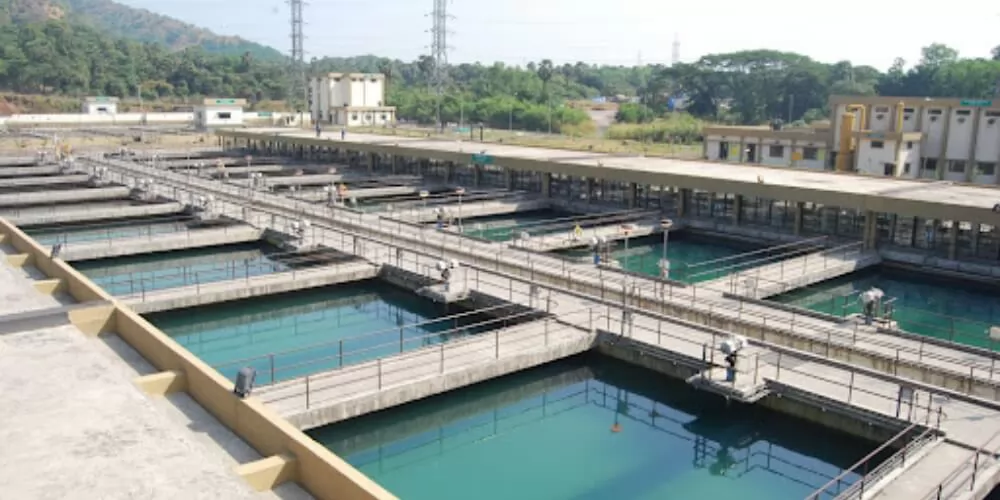
Capacity: Approximately 3.8 million m³/day (around 3,800 MLD)
Footprint: Spans a large area exceeding 150 hectares, including treatment units, reservoirs, and green zones
Completion Date: 1886
Location: Bhandup, Mumbai, Maharashtra, India
Introduction:
The Bhandup Water Treatment Complex is one of the largest water treatment plants in the world and the primary source of drinking water for Mumbai, one of India’s most densely populated metropolitan areas. With a treatment capacity of around 3.8 million cubic meters per day, the complex supplies water to millions of residents and plays a critical role in maintaining the city’s daily water security.
Sourcing raw water mainly from the Tulsi, Vihar, and Upper Vaitarna lakes, the Bhandup complex integrates large-scale filtration, sedimentation, and disinfection systems across its vast site. Its long operational history, continuous capacity upgrades, and strategic importance make it a landmark facility among the world’s largest municipal water treatment plants.
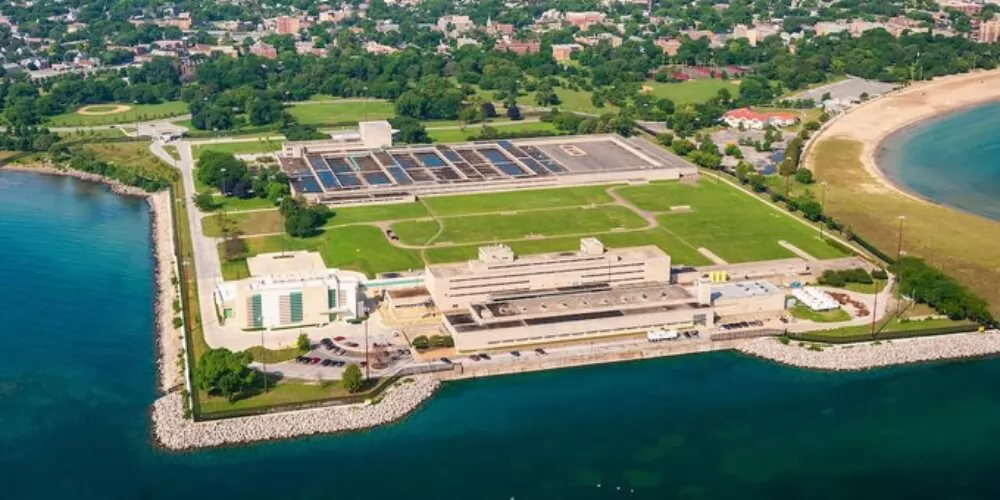
Capacity: Approximately 2.3 million m³/day (about 600 million gallons per day at peak operation)
Footprint: Large underground facility spanning several city blocks along Lake Michigan
Completion Date: 1912
Location: Chicago, Illinois, United States
Introduction:
The Sawyer Water Purification Plant is one of the earliest large-scale municipal water treatment plants in the world and a historic pillar of Chicago’s water infrastructure. At its peak, the plant was capable of treating up to 600 million gallons of drinking water per day, placing it among the largest water treatment plants globally during much of the 20th century.
Drawing raw water from Lake Michigan through offshore intake cribs, the Sawyer facility pioneered underground treatment plant design to maximize land use efficiency in a dense urban environment. Although its role has been reduced following the expansion of newer facilities, Sawyer remains a significant benchmark in the evolution of large-capacity water treatment plants worldwide.
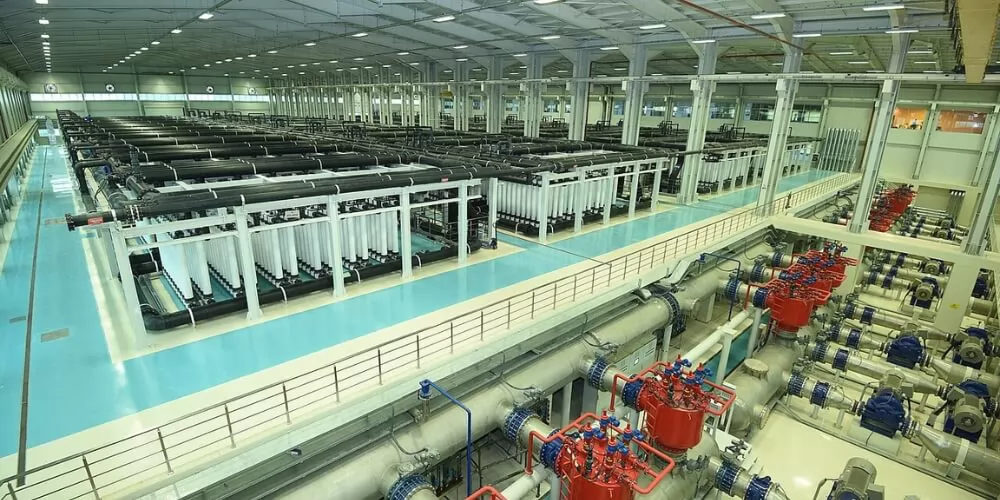
Capacity: Approximately 3.6 million m³/day (around 3,600 MLD)
Footprint: Extensive treatment complex covering several tens of hectares, including intake, treatment, and distribution facilities
Completion Date: 1958 (with subsequent upgrades and modernization phases)
Location: Havana, Cuba
Introduction:
The Guiteras Water Treatment Plant is one of the largest water treatment facilities in the Caribbean and a key source of potable water for Havana, Cuba’s capital city. With a daily treatment capacity of approximately 3.6 million cubic meters, the plant serves a significant portion of the metropolitan population and is a cornerstone of the city’s municipal water supply system.
Drawing raw water primarily from the Almendares–Vento aquifer system, the Guiteras plant combines large-scale clarification, filtration, and disinfection processes to ensure reliable drinking water delivery. Its high treatment volume, long operational history, and strategic importance place it among the world’s largest urban water treatment plants, particularly within island and coastal regions.
| Project Name | Location |
| 1. Bahr El-Baqar Wastewater Treatment Plant | East of Port Said, Sinai Peninsula, Egypt |
| 2. Stickney Water Reclamation Plant | Stickney, Illinois, United States |
| 3. Blue Plains Advanced Wastewater Treatment Plant | Washington, D.C., United States |
| 4. Gabal El Asfar Wastewater Treatment Plant | Northeastern Cairo, Egypt |
| 5. Deer Island Wastewater Treatment Plant | Boston Harbor, Massachusetts, United States |
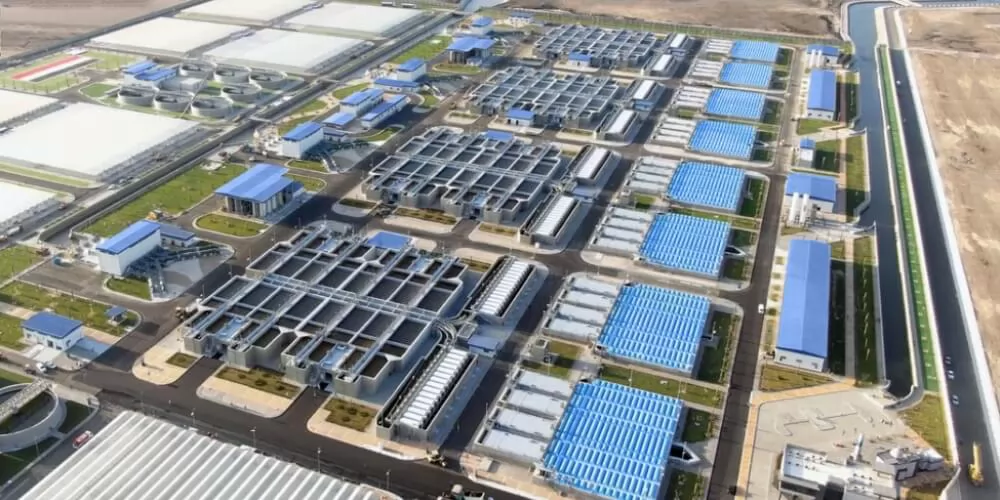
Capacity: Approximately 5.6 million m³/day
Footprint: Covers about 6.5 km² (around 1,600 acres)
Completion Date: 2021
Location: East of Port Said, Sinai Peninsula, Egypt
Introduction:
The Bahr El-Baqar Wastewater Treatment Plant is one of the largest water treatment facilities in the world and the largest wastewater treatment plant by daily treatment capacity. Designed to process up to 5.6 million cubic meters of wastewater per day, the plant plays a strategic role in Egypt’s national water reuse and land reclamation programs.
Treated water from the facility is reused for agricultural irrigation in the Sinai region, supporting large-scale desert reclamation and food security initiatives. With its vast footprint of more than 6 square kilometers and advanced multi-stage treatment processes, the Bahr El-Baqar plant represents a global benchmark in mega-scale wastewater treatment and sustainable water reuse infrastructure.
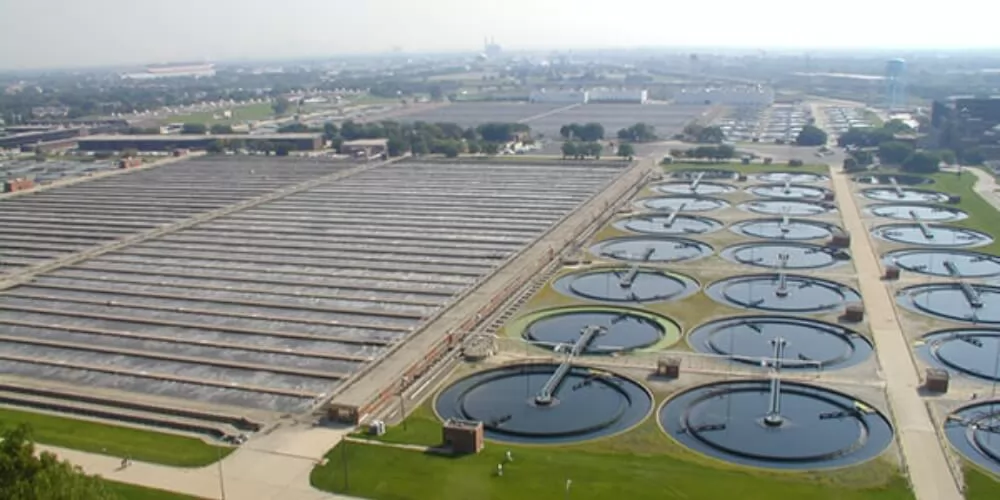
Capacity: Approximately 4.6 million m³/day (up to 1.44 billion gallons per day at peak flow)
Footprint: Covers about 3.8 km² (approximately 950 acres)
Completion Date: 1930
Location: Stickney, Illinois, United States
Introduction:
The Stickney Water Reclamation Plant is one of the largest wastewater treatment plants in the world and the primary wastewater treatment facility for the Chicago metropolitan area. With a peak treatment capacity reaching 1.44 billion gallons per day, it is designed to handle massive fluctuations in flow caused by rainfall and urban runoff in one of North America’s largest sewer systems.
Operated by the Metropolitan Water Reclamation District of Greater Chicago, the plant treats wastewater from millions of residents before safely returning it to the water environment. Its vast footprint, advanced biological treatment processes, and critical role in regional flood control and water quality protection make it a landmark facility among the world’s largest water treatment plants.
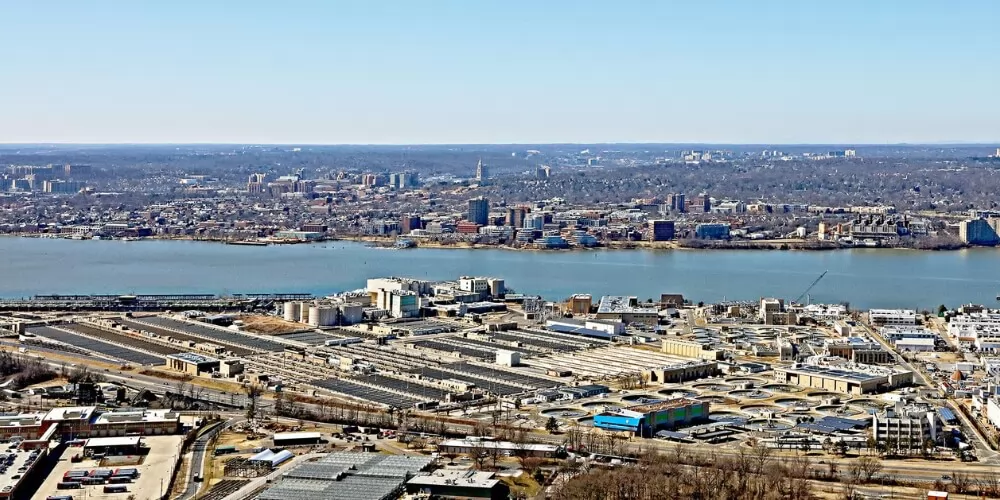
Capacity: Approximately 1.7 million m³/day (around 450 million gallons per day on average, with higher peak capacity)
Footprint: Covers about 1.6 km² (approximately 370 acres)
Completion Date: 1937
Location: Washington, D.C., United States
Introduction:
The Blue Plains Advanced Wastewater Treatment Plant is the largest advanced wastewater treatment facility in the United States and one of the most technologically sophisticated in the world. Serving Washington, D.C., and surrounding metropolitan areas, the plant treats up to 1.7 million cubic meters of wastewater per day, playing a vital role in protecting the Potomac River and Chesapeake Bay.
Known globally for its advanced nutrient removal systems, Blue Plains significantly reduces nitrogen and phosphorus discharges to meet some of the strictest environmental standards worldwide. Its combination of large treatment capacity, advanced process technology, and environmental impact leadership positions it as a benchmark among the world’s largest and most advanced water treatment plants.
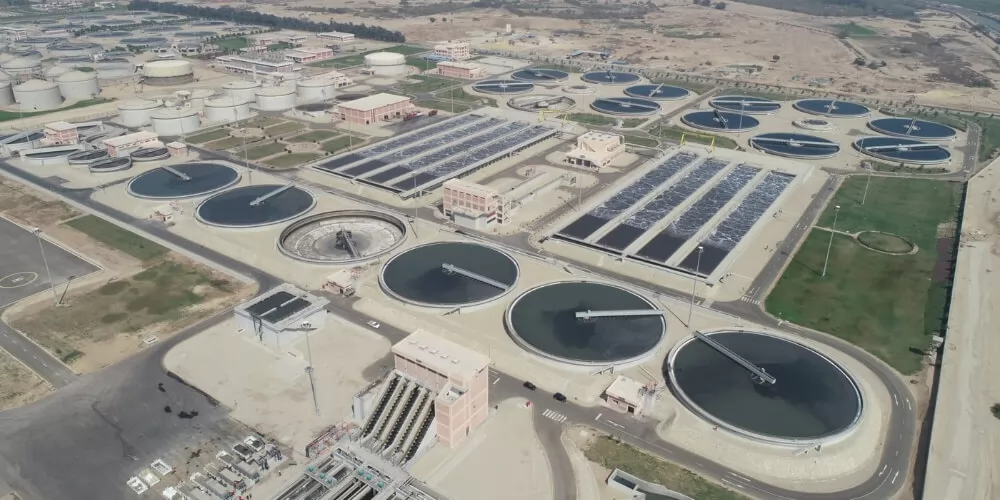
Capacity: Approximately 2.5 million m³/day
Footprint: Covers more than 12 km², making it one of the largest wastewater treatment sites globally
Completion Date: Initial phases completed in the 1980s (with major expansion phases completed between 2010 and 2013)
Location: Northeastern Cairo, Egypt
Introduction:
The Gabal El Asfar Wastewater Treatment Plant is one of the largest wastewater treatment plants in the world and a critical component of Greater Cairo’s sanitation infrastructure. With a total treatment capacity of approximately 2.5 million cubic meters per day, the plant serves millions of residents in one of the most densely populated urban regions in the Middle East and Africa.
Developed through multiple large-scale expansion phases, Gabal El Asfar incorporates advanced primary and secondary treatment processes to significantly improve effluent quality before discharge. Its exceptional scale, long operational history, and essential role in improving public health and environmental protection firmly establish it among the world’s largest water treatment plants.
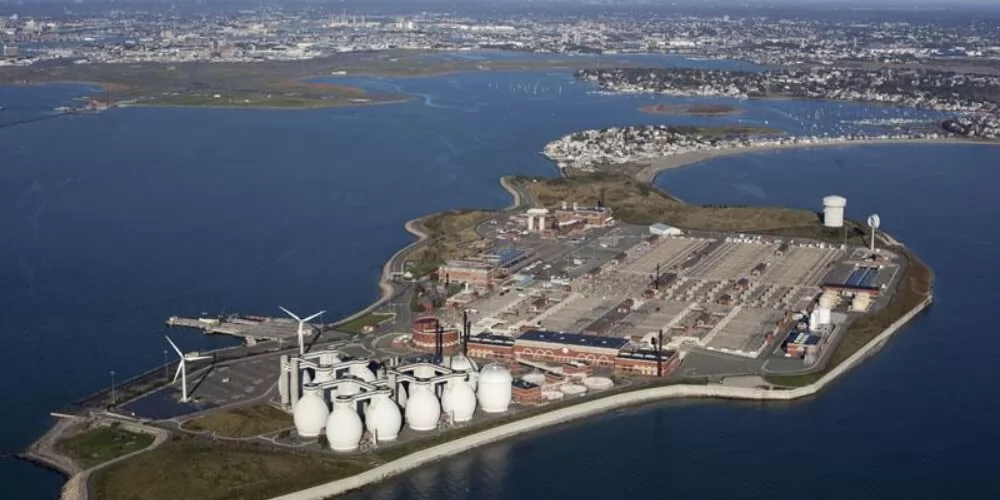
Capacity: Approximately 4.8 million m³/day (up to 1.27 billion gallons per day at peak flow)
Footprint: Covers about 3 km² (approximately 735 acres)
Completion Date: 1995
Location: Boston Harbor, Massachusetts, United States
Introduction:
The Deer Island Wastewater Treatment Plant is one of the largest water treatment plants in the world and the primary wastewater treatment facility for the Greater Boston area. Designed to handle peak flows of up to 1.27 billion gallons per day, the plant serves millions of residents across eastern Massachusetts and plays a central role in regional environmental protection.
Located on an island in Boston Harbor, the facility is a cornerstone of the historic Boston Harbor cleanup project, significantly improving coastal water quality through large-scale primary and secondary treatment processes. Its high treatment capacity, strategic coastal location, and long-term environmental impact make Deer Island a globally recognized benchmark among the world’s largest wastewater treatment plants.
| Project Name | Location |
| 1. Ras Al-Khair Power & Desalination Plant | Ras Al-Khair Industrial City, Eastern Province, Saudi Arabia |
| 2. Jebel Ali Power & Desalination Complex | Jebel Ali, Dubai, United Arab Emirates |
| 3. Taweelah Reverse Osmosis Desalination Plant | Taweelah, Abu Dhabi Emirate, United Arab Emirates |
| 4. Sorek Desalination Plant | Near Palmachim, central Israel |
| 5. Shuaibah 3 Desalination Plant | Shuaibah, Makkah Province, Saudi Arabia |
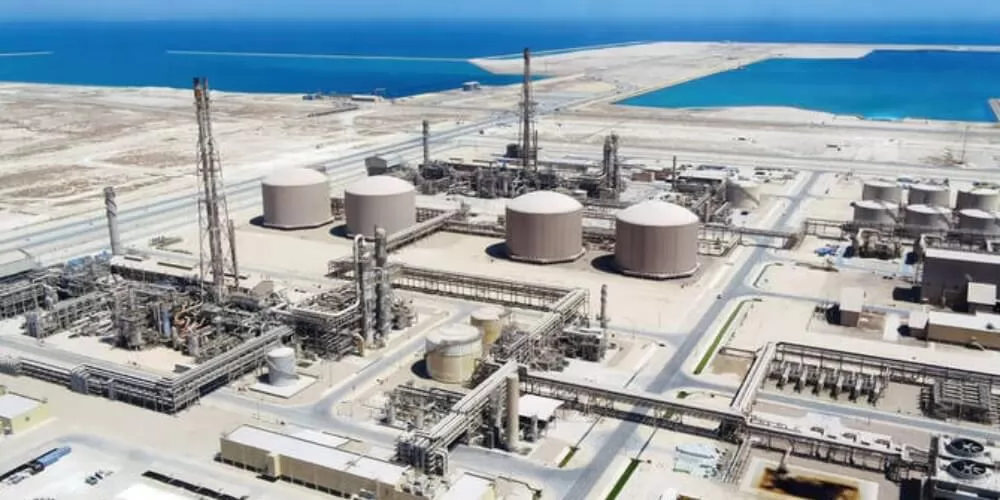
Capacity: Approximately 1.0 million m³/day of desalinated water
Footprint: Covers more than 4 km², including power generation and desalination facilities
Completion Date: 2014
Location: Ras Al-Khair Industrial City, Eastern Province, Saudi Arabia
Introduction:
The Ras Al-Khair Power & Desalination Plant is one of the largest water desalination plants in the world and a flagship project in Saudi Arabia’s national water and energy infrastructure. With a desalination capacity of around 1 million cubic meters per day, the facility supplies potable water to major cities, including Riyadh, located hundreds of kilometers inland.
As one of the world’s largest integrated power and desalination complexes, Ras Al-Khair combines large-scale thermal desalination technologies with high-capacity power generation. Its exceptional production scale, strategic importance, and role in ensuring water security in arid regions firmly position it among the largest and most influential water treatment plants globally.
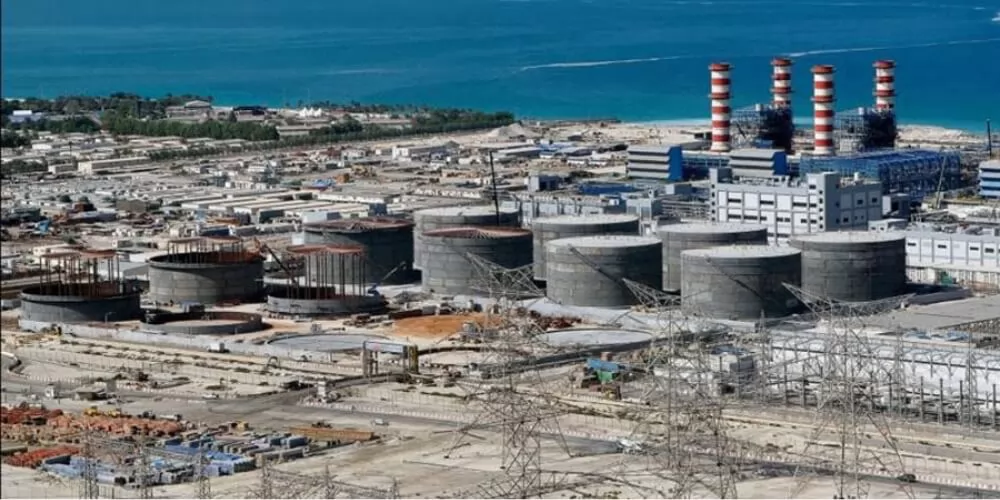
Capacity: Over 2.2 million m³/day of desalinated water (combined across multiple stations)
Footprint: One of the largest utility complexes in the Middle East, spanning several square kilometers
Completion Date: Initial phases commissioned in the late 1970s, with continuous expansions through the 2010s
Location: Jebel Ali, Dubai, United Arab Emirates
Introduction:
The Jebel Ali Power & Desalination Complex is one of the largest water production facilities in the world and the backbone of Dubai’s potable water supply system. With a combined desalination capacity exceeding 2.2 million cubic meters per day, the complex provides drinking water to millions of residents and supports the city’s rapid urban and industrial growth.
Operated by the Dubai Electricity and Water Authority (DEWA), the complex integrates large-scale thermal desalination technologies with high-capacity power generation units. Its enormous output, long-term operational reliability, and strategic role in sustaining one of the world’s fastest-growing cities make Jebel Ali a landmark among the largest water treatment and desalination plants globally.
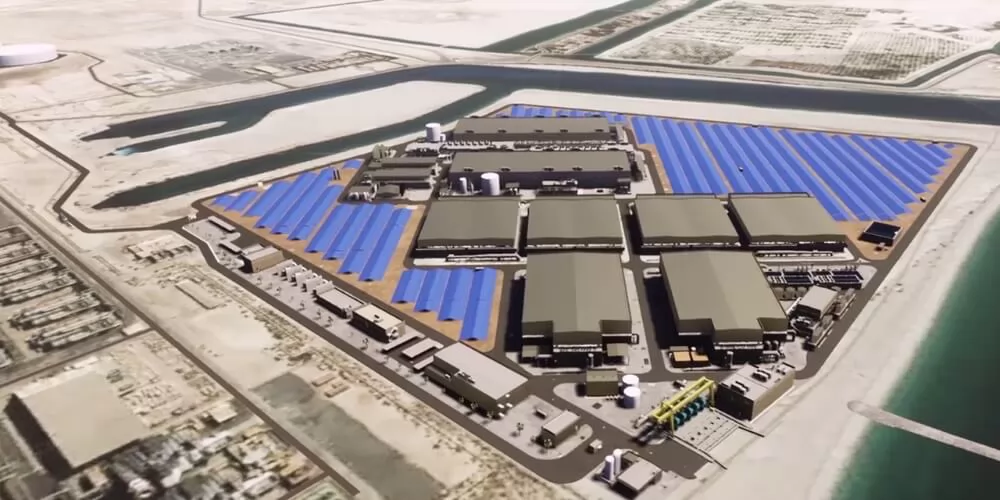
Capacity: Approximately 909,200 m³/day (around 200 million imperial gallons per day)
Footprint: Large coastal desalination facility within the Taweelah industrial zone, covering several square kilometers
Completion Date: 2022
Location: Taweelah, Abu Dhabi Emirate, United Arab Emirates
Introduction:
The Taweelah Reverse Osmosis Desalination Plant is widely recognized as the world’s largest single-site reverse osmosis (RO) desalination facility. With a production capacity of more than 900,000 cubic meters of potable water per day, the plant plays a crucial role in securing drinking water supplies for Abu Dhabi and surrounding regions.
Unlike traditional thermal desalination plants, Taweelah relies entirely on energy-efficient reverse osmosis technology, significantly reducing energy consumption and carbon emissions per unit of water produced. Its massive scale, advanced membrane systems, and focus on sustainability make it a global benchmark among the world’s largest and most modern water treatment and desalination plants.
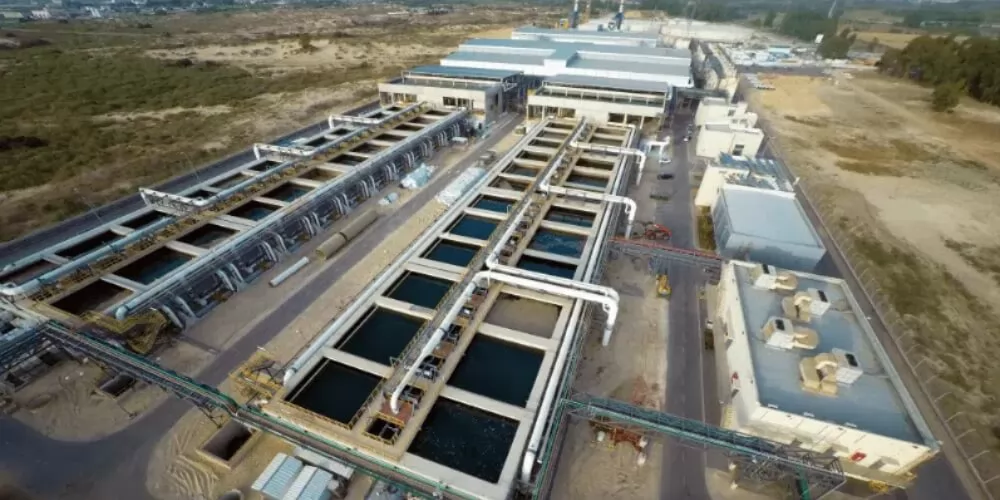
Capacity: Approximately 624,000 m³/day
Footprint: Large coastal desalination facility with extensive membrane and pumping infrastructure
Completion Date: 2013
Location: Near Palmachim, central Israel
Introduction:
The Sorek Desalination Plant is one of the largest seawater reverse osmosis (SWRO) desalination facilities in the world and a cornerstone of Israel’s national water supply system. With a daily production capacity of approximately 624,000 cubic meters, the plant supplies a significant share of the country’s potable water, supporting both domestic and industrial demand.
Sorek is internationally recognized for its use of large-diameter reverse osmosis membranes, which improve efficiency and reduce operating costs at scale. Its combination of high output, advanced RO technology, and strategic importance in a water-scarce region firmly places Sorek among the world’s largest and most influential water treatment and desalination plants.
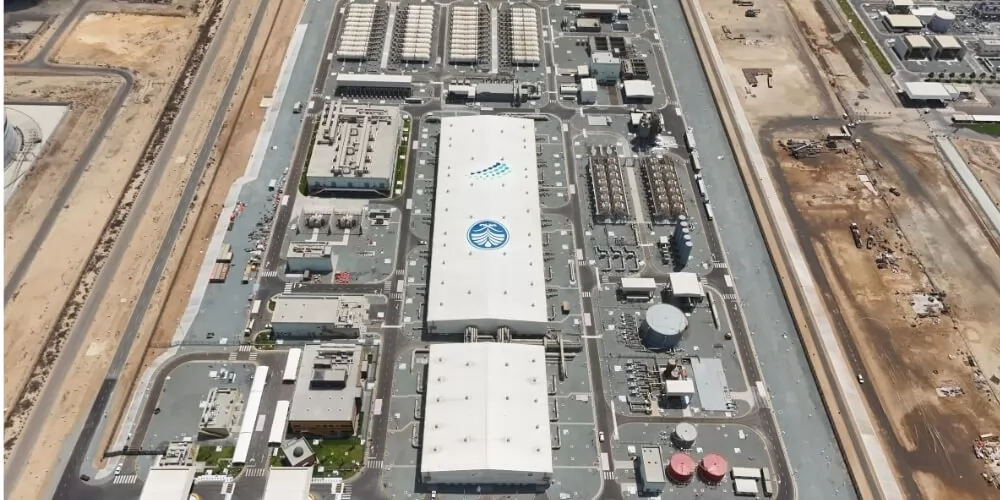
Capacity: Approximately 880,000 m³/day of desalinated water
Footprint: Large coastal desalination and power complex covering several square kilometers
Completion Date: 2009
Location: Shuaibah, Makkah Province, Saudi Arabia
Introduction:
The Shuaibah 3 Desalination Plant is one of the largest thermal desalination facilities in the world and a major contributor to Saudi Arabia’s potable water supply along the Red Sea coast. With a daily desalination capacity of approximately 880,000 cubic meters, the plant supplies drinking water to major urban centers, including Jeddah and the surrounding western region.
As part of an integrated water and power project, Shuaibah 3 utilizes large-scale multi-stage flash (MSF) desalination technology combined with high-capacity power generation. Its substantial output, strategic coastal location, and role in supporting water security in an arid climate firmly establish it among the world’s largest water treatment and desalination plants.
The engineering marvels highlighted in this article, from Egypt's record-breaking New Delta Irrigation Water Treatment Plant to Chicago's historic Jardine facility, demonstrate the critical role of massive-scale infrastructure in overcoming water scarcity and supporting global agriculture. As these facilities—including the Bahr El-Baqar and Ras Al-Khair plants—set new benchmarks for capacity and efficiency, they provide a vital roadmap for securing our planet's most precious resource for future generations.
For organizations seeking to implement professional-grade water solutions, Weilan offers over 15 years of expertise and a proven track record of more than 200 successful engineering projects. Specializing in Package Water Treatment Plants, Underdrain Filters, and patented Dynasand technology, Weilan provides ISO9001-certified, turnkey systems tailored to meet the highest municipal and industrial standards.


Your Name*
Your Email*

Discover 2026 water treatment plant prices, from package systems and small equipment to industrial and municipal plants. Learn key cost factors, price ranges, and ways to reduce investment.

Discover the top 10 water treatment plant EPC contractors in 2025, including global leaders delivering advanced, efficient and sustainable solutions for municipal and industrial water projects.

Discover the top 10 water treatment equipment manufacturers in 2025 leading global innovation in purification, desalination, and sustainable water management solutions.


