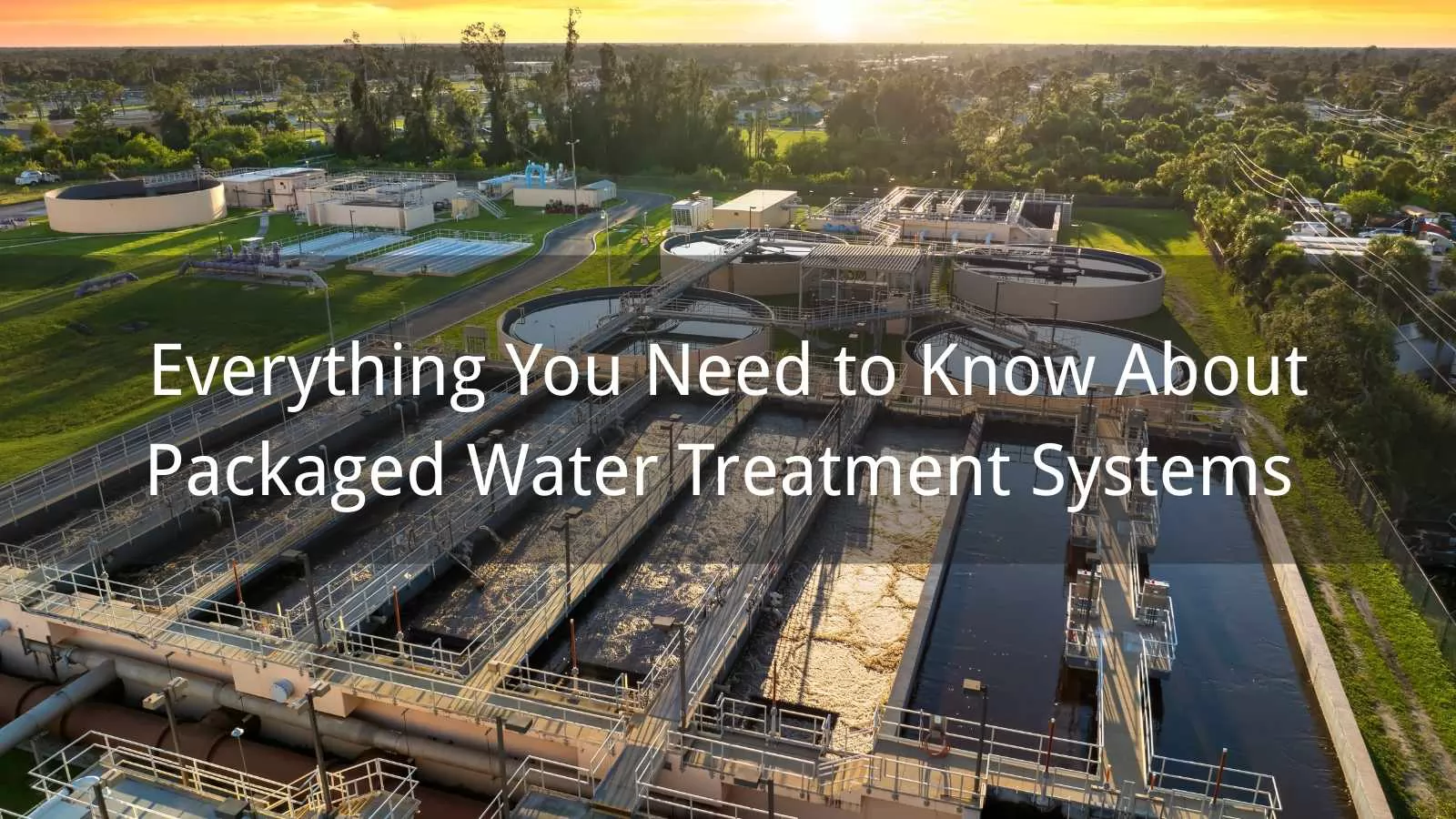
A Package Water Treatment System is a pre-engineered, skid-mounted, or containerized water purification system. Unlike traditional concrete facilities that require extensive civil engineering, a package plant is fully assembled, integrated, and tested in the factory before shipment.
Designed for rapid deployment and compact footprint, these systems provide a "Plug-and-Play" solution for municipal water supply, industrial wastewater, and remote communities. They offer the same process capabilities as large-scale plants—including coagulation, sedimentation, and filtration—but within a highly efficient, modular structure.
An Integrated Water Treatment System (also called All-in-One / Compact / Integrated Package Treatment Plant) is a system that compresses all traditional water/wastewater treatment processes — pre-treatment + biochemical/physical-chemical + advanced treatment + disinfection + sludge handling — into one or a few steel/FRP tanks (or skids), achieving true “black-box” treatment.
It is not simply stacking equipment together. It relies on ultra-compact spatial layout + optimized hydraulic flow + highly automated control to make every process work together efficiently in an extremely small footprint (usually only 1/5–1/10 of conventional plants).
As of 2025, more than 500,000 such systems are installed worldwide and they are the absolute mainstream solution for small- and medium-sized projects (50–10,000 m³/day).The system operates through a sequential physico-chemical and biological process to treat raw water to meet specific discharge or reuse standards (e.g., Class IV). The typical workflow includes:
Pre-Treatment & Conditioning: Raw water is pumped into the system where coagulants and flocculants are precisely dosed. A static or mechanical mixer ensures rapid mixing to destabilize suspended solids.
Flocculation: The water enters a flocculation zone where slow mixing encourages micro-particles to aggregate into larger, settleable flocs.
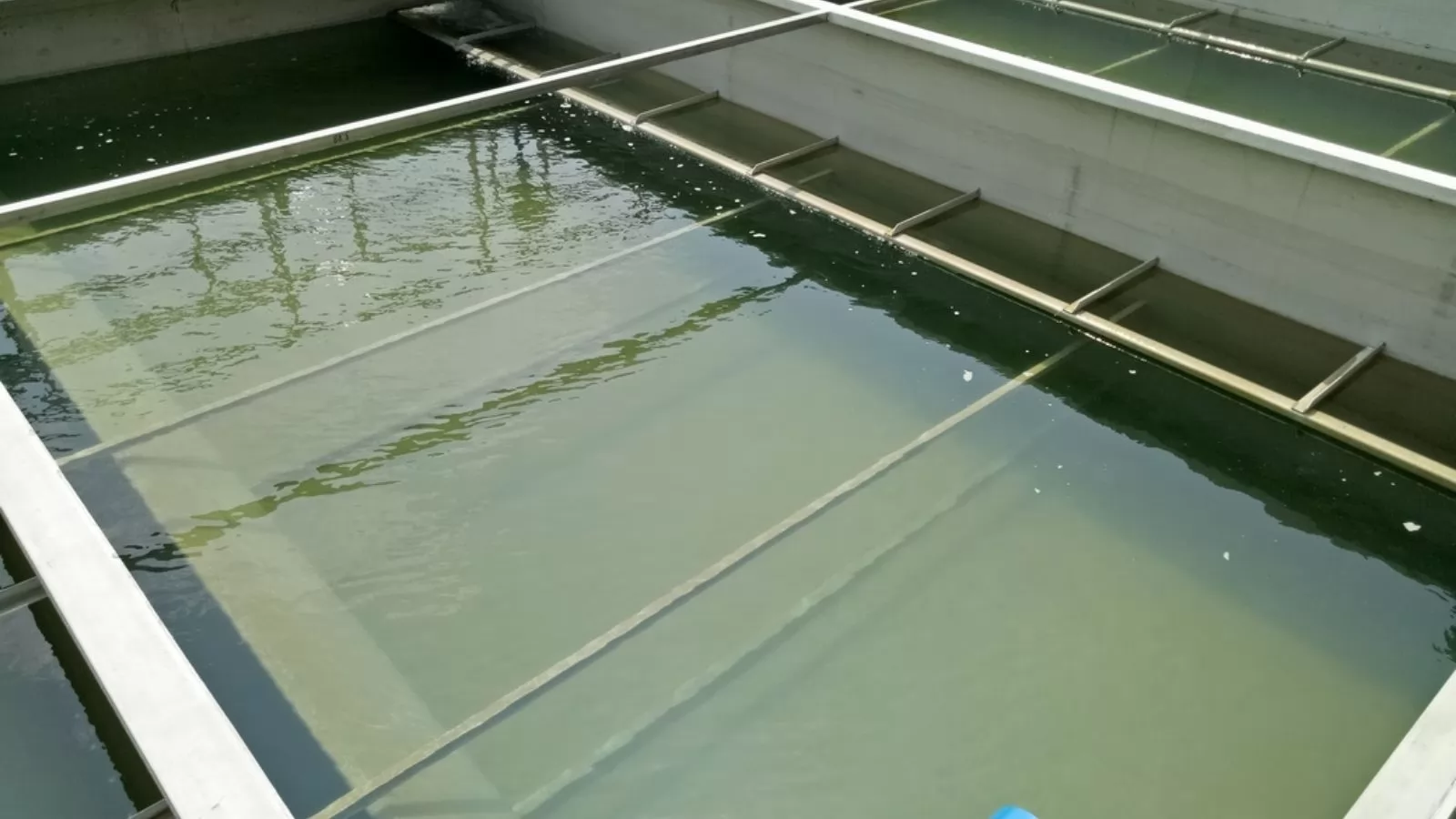
High-Rate Clarification (Solid-Liquid Separation): The flow moves into the clarification stage. Advanced units utilize Lamella Settlers (Inclined Plate Settlers) here. These plates vastly increase the effective settling area, allowing solids to separate from the liquid 10x faster than conventional gravity tanks, significantly reducing the plant's physical footprint.
Deep Bed Filtration: The clarified supernatant passes through a filtration stage (utilizing technologies like Dynasand or Multimedia Filters with Monolithic Underdrains) to remove remaining fine suspended solids (TSS) and turbidity.
Disinfection: The final effluent undergoes disinfection (Chlorination, UV, or Ozone) to neutralize pathogens before discharge or reuse.
A robust package plant relies on high-performance core modules to ensure stability and effluent quality:
High-Efficiency Clarifiers (Lamella Settlers): The core of the separation process. Utilizing inclined plates to maximize the projected settling area, these units effectively separate sludge from water in a fraction of the space required by traditional circular clarifiers.
Advanced Filtration Modules: Critical for tertiary treatment. Systems often incorporate Denitrification Deep Bed Filters or Underdrain Filters to target specific pollutants like Nitrogen and Phosphorus, ensuring compliance with strict environmental regulations.
Chemical Dosing Systems: Skid-mounted automated units that precisely control the injection of PAC, PAM, or disinfectants based on real-time flow and water quality data.
PLC & Control Panel: The central automation system. It provides Human-Machine Interface (HMI) for monitoring flow rates, pressure differentials, and automated backwashing cycles, minimizing the need for manual operation.
| Component | Function | 2025 Common Spec |
|---|---|---|
| Raw Water Pump | Feed intake | Submersible/centrifugal, 10–500 m³/h |
| Chemical Dosing | Coagulant/polymer | Auto peristaltic + flow-paced |
| Lamella Clarifier | Solids removal | 8–20 m³/m²·h loading |
| Multi-Media Filter | Final polishing | Sand/anthracite/GAC, auto backwash |
| Disinfection | Pathogen control | UV 40–100 mJ/cm² or chlorine |
| Control Panel | Automation | PLC/SCADA + remote app |
A skid-mounted system is built on a metal frame or “skid”, with all components—pumps, filters, membranes, piping, and instruments—pre-assembled. The entire system can be transported as a single unit.
A containerized system is built inside a standard shipping container (usually 20’ or 40’), making it a self-contained and transportable unit.
| Factor | Package system | Conventional system |
|---|---|---|
| Construction time | 2–12 weeks | 12–36 months |
| Capital cost | 40–70% lower | High |
| Footprint | Very small | Large |
| Mobility | High | None |
| Application / Industry | Main Purpose | Typical Treatment Processes | Core Benefits |
|---|---|---|---|
| Mining Operations | Water for workers, process, dust | Multimedia filter, RO | Rapid deployment, suitable for remote sites, ensures safe water supply |
| Industrial Wastewater Reuse | Recycle industrial water | RO/UF, chemical precipitation, activated carbon | Saves water, reduces discharge cost, environmentally friendly |
| Municipal Drinking Water | Community potable water supply | Sand filter, activated carbon, chlorine/UV | Safe and reliable, quick deployment, easy maintenance |
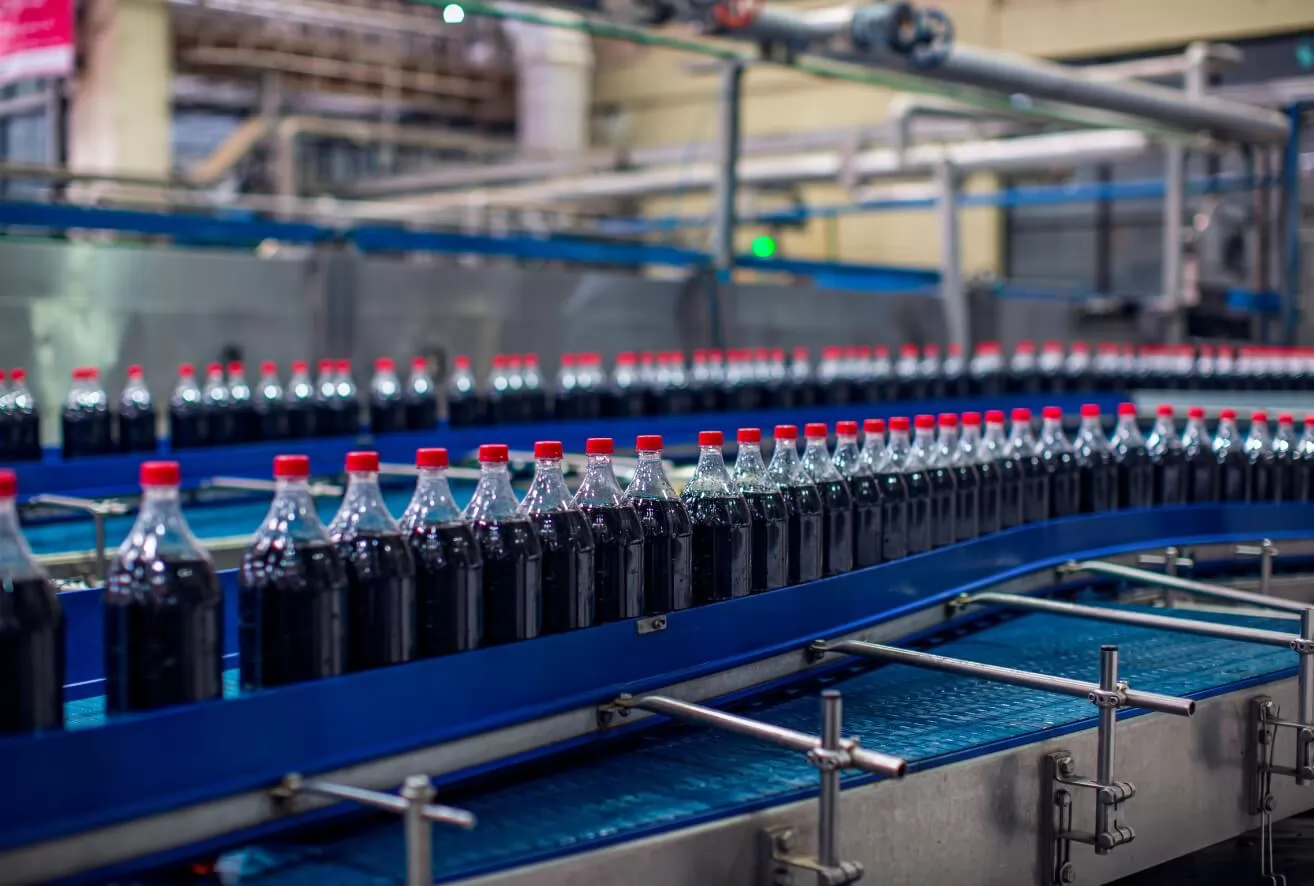
| Food & Beverage Industry | Production water, cleaning, formulation | RO/UF, UV, activated carbon filter | Ensures product quality, regulatory compliance, extends equipment life |
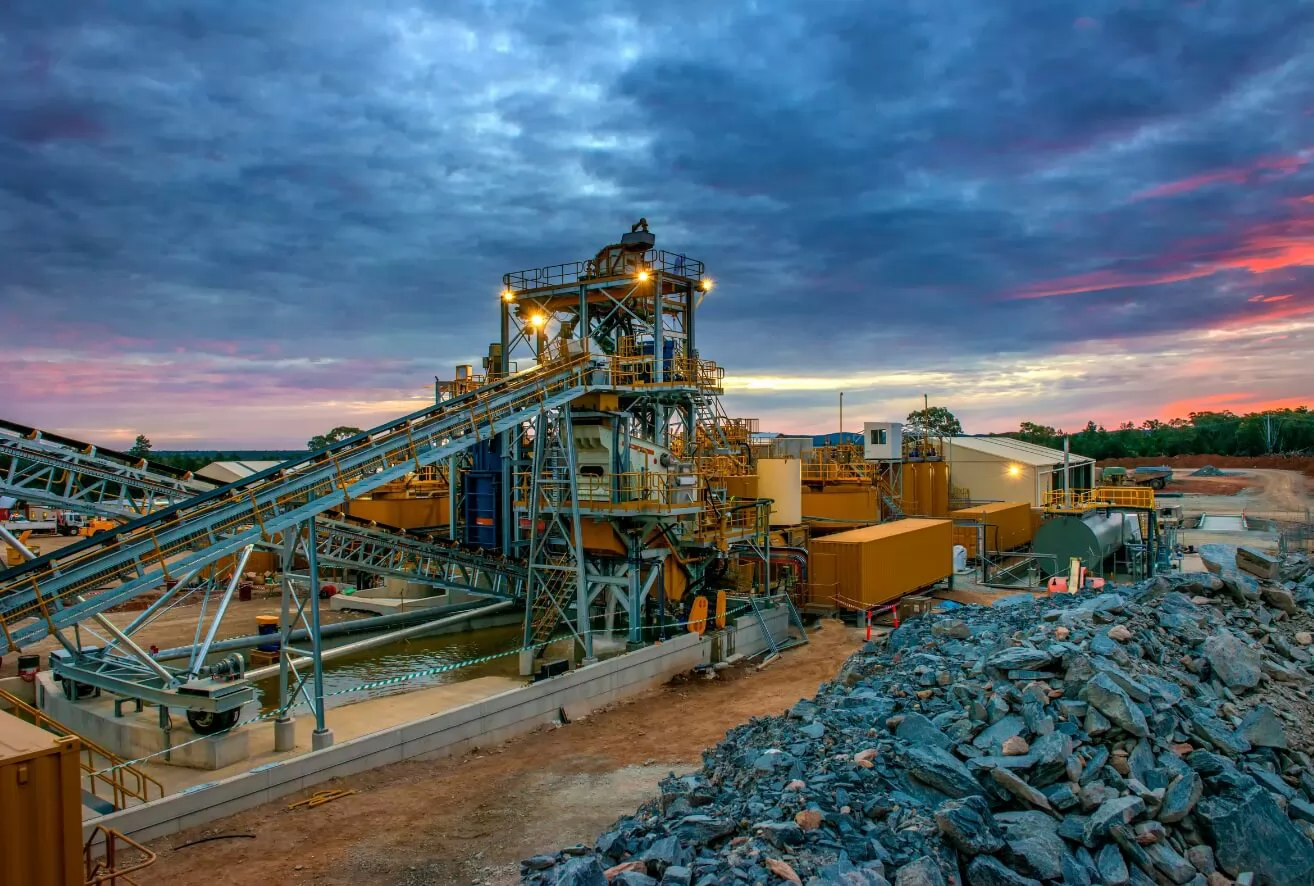
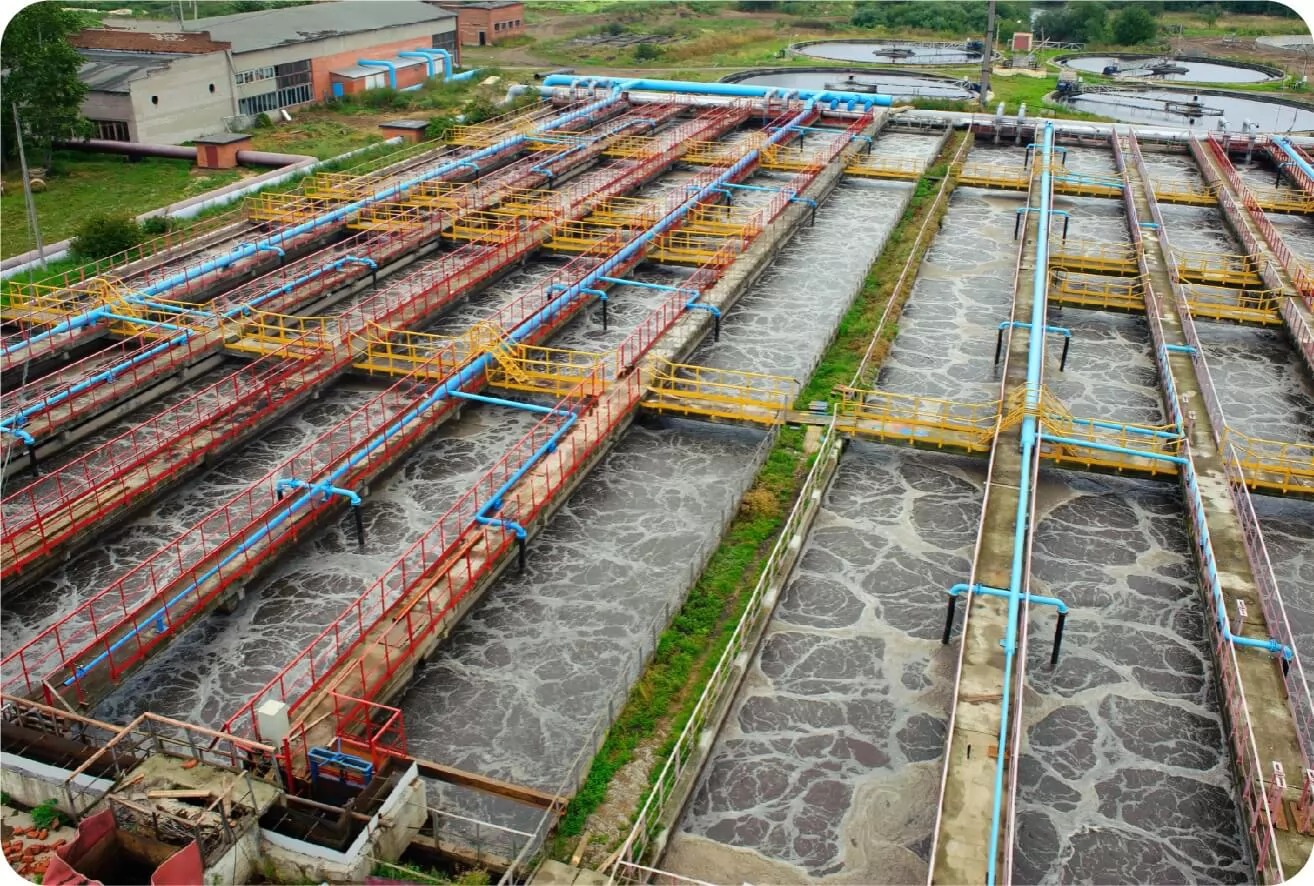
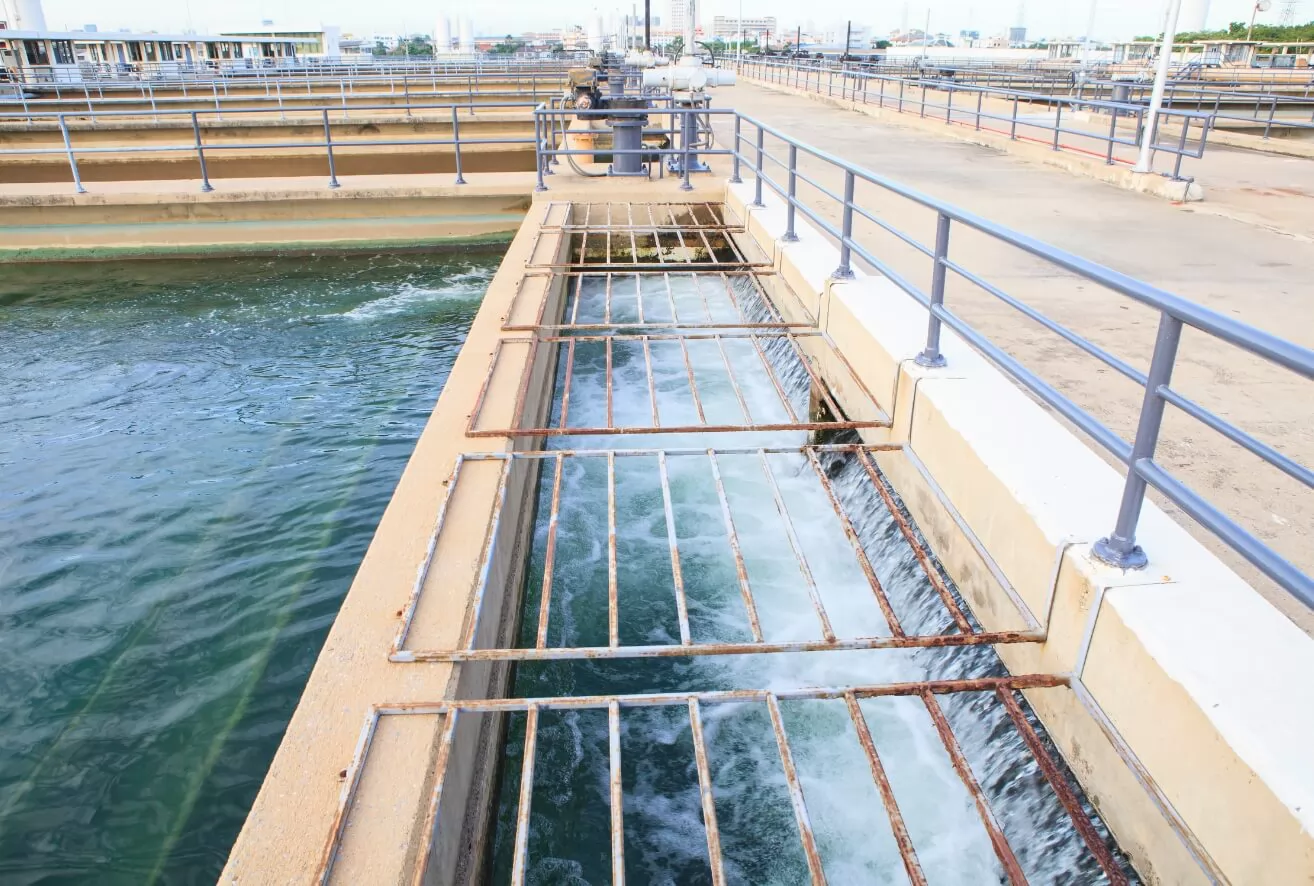
Proper installation is critical to ensure safety, efficiency, and longevity of packaged water treatment systems. The following factors are typically considered:
Regular maintenance ensures optimal system performance, prevents breakdowns, and extends equipment life. Maintenance is usually classified into routine, preventive, and corrective maintenance.
Performed daily or weekly:
Performed monthly or quarterly:
Performed as needed:
Manual vs automatic systems: Fully automated systems with SCADA or PLC control are more expensive than semi-manual systems.
Instrumentation: Flow meters, pH meters, conductivity meters, pressure sensors, and chemical dosing control increase capital costs.
Remote monitoring: IoT-based or remote monitoring systems add both capital and maintenance costs.
Tank material: Plastic (HDPE/PVC), FRP, or stainless steel—stainless steel is the most expensive but more durable.
Piping and fittings: PVC, CPVC, or stainless steel affect cost; highly corrosive water requires higher-grade materials.
Membrane housings and frames: Materials impact both cost and lifespan.
Type of chemicals: Chlorine, coagulants, antiscalants, acids/bases for pH adjustment.
Quantity: Poor raw water quality increases chemical consumption.
Storage and dosing equipment: Tanks, pumps, and safety systems add to cost.
Pumps: High-pressure RO or ultrafiltration systems require more electricity.
Ancillary equipment: UV lamps, ozone generators, and blowers also consume energy.
Operating hours: Continuous operation systems incur higher energy costs.
Site preparation: Foundations, platforms, drainage, and electrical infrastructure add to cost.
Accessibility: Confined spaces or remote sites may increase installation labor costs.
Shipping & handling: Large equipment may need specialized transportation.
Look for: >10 years experience, ISO 9001/14001, local service, 2–5 year warranty, remote monitoring standard, strong references.
Choosing the right water treatment system manufacturer is crucial for ensuring long-term reliability and investment value. With so many options on the market, it’s easy to feel overwhelmed by differences in price, technology, and service. Looking for a trusted, professional supplier with comprehensive support? Check out Weilai — specializing in high-quality packaged water treatment systems, offering customized solutions, full technical support, and reliable after-sales service. Make every drop safe and pure. Click to learn more and let the experts guide your choice!
Package water treatment systems have become the smartest, most practical choice for nearly all projects under 10,000 m³/day. They deliver identical or better water quality at dramatically lower cost, faster deployment, and greater flexibility than traditional civil systems — making safe drinking water accessible anywhere in the world, anytime.


Your Name*
Your Email*