
+86 137 1463 9464
info@weilanwaters.com
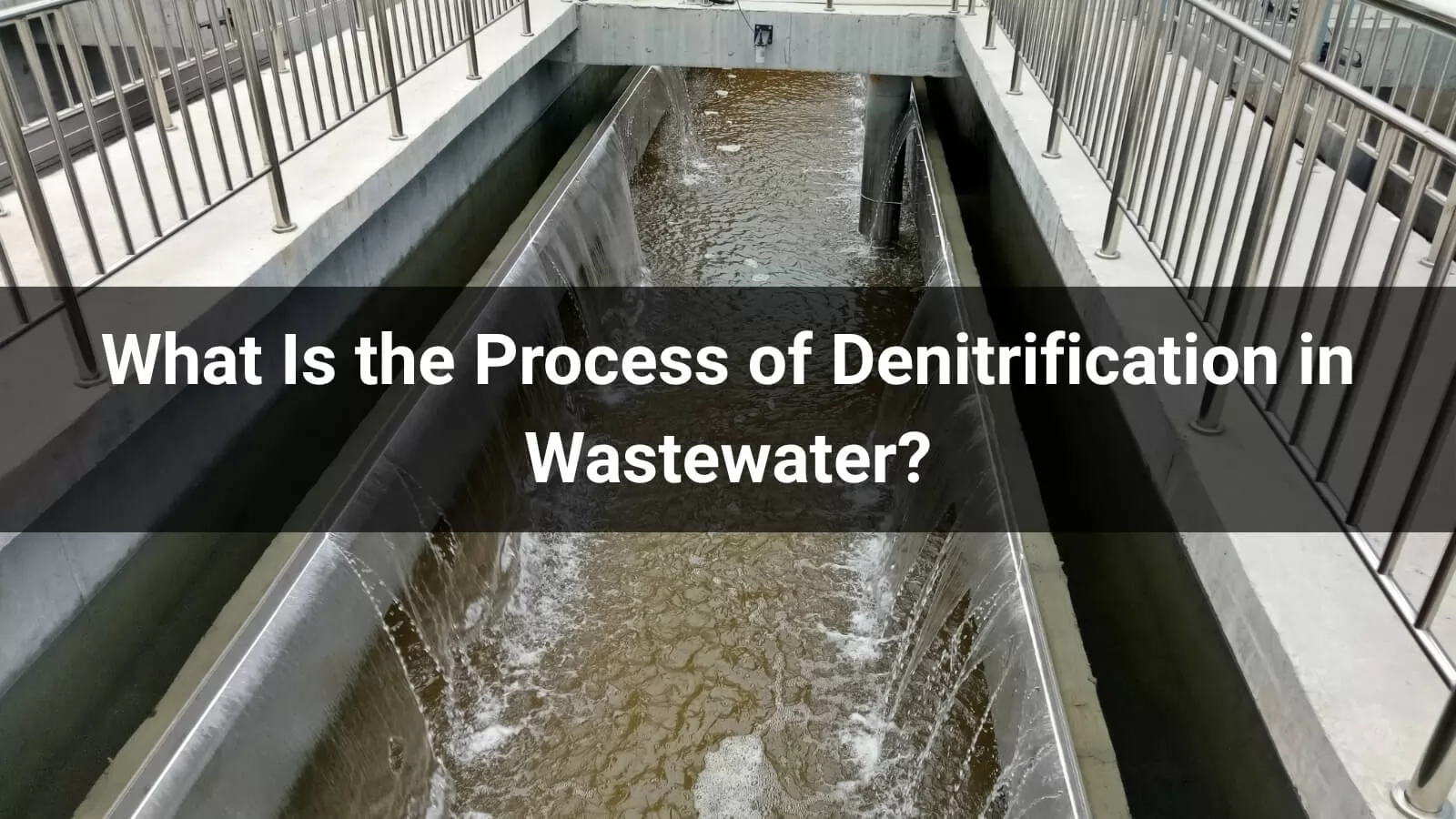
For environmental engineers, plant operators, and sustainability managers, nitrogen removal isn't just a regulatory checkbox—it’s a delicate biological balancing act. While nitrogen is essential for life, in wastewater, it’s a potential environmental disaster waiting to happen.
This article dives into the process of denitrification, the critical "back half" of the nitrogen cycle that transforms hazardous nitrates into harmless atmospheric gas. Whether you’re looking to optimize your activated sludge process or exploring the efficiency of denitrification filters, we break down the microbial science and operational conditions needed to keep your facility compliant and our waterways clean.
Denitrification in wastewater treatment is a critical biological process used to remove nitrogen compounds, particularly nitrates (NO₃⁻), before water is discharged into the environment. In simple terms, it is the conversion of nitrate into nitrogen gas (N₂) through microbial activity under anoxic conditions (low or no dissolved oxygen). This process allows treatment systems to effectively eliminate excess nitrogen from wastewater.
Denitrification is an essential part of biological nitrogen removal (BNR) and typically follows nitrification, where ammonia is first converted into nitrate. By transforming nitrate into harmless nitrogen gas, denitrification helps prevent environmental issues such as eutrophication, protects aquatic ecosystems, and ensures compliance with increasingly strict wastewater discharge standards.
Denitrification is a stepwise biochemical process in which nitrate (NO₃⁻) is progressively reduced to nitrogen gas (N₂) through a series of intermediate compounds. Each stage is driven by specific enzymes produced by denitrifying bacteria under anoxic conditions.
The process typically follows this sequence:
Each step involves a reduction reaction where oxygen atoms are removed, ultimately converting dissolved nitrogen compounds into inert nitrogen gas that escapes into the atmosphere. The final product, nitrogen gas, is environmentally harmless and represents the complete removal of nitrogen from the wastewater system.
Efficient denitrification depends on maintaining proper environmental conditions, as incomplete reactions may lead to the accumulation of intermediates such as nitrite or nitrous oxide, which can negatively impact treatment performance and environmental compliance.
Denitrification is carried out by specialized heterotrophic bacteria that thrive under anoxic conditions. These microorganisms use nitrate as an alternative electron acceptor in the absence of oxygen, enabling them to generate energy while reducing nitrate to nitrogen gas.
Common denitrifying bacteria include species from the Pseudomonas, Paracoccus, Bacillus, and Alcaligenes genera. These bacteria require a carbon source—such as organic matter present in wastewater—to fuel their metabolic processes. The availability of suitable bacteria and sufficient carbon is critical for maintaining effective denitrification in treatment systems.
By controlling microbial populations and providing optimal growth conditions, wastewater treatment plants can ensure consistent and efficient nitrogen removal, minimizing the risk of intermediate accumulation or incomplete denitrification.
For denitrification to occur efficiently, certain environmental conditions must be maintained within the wastewater treatment system:
Maintaining these conditions helps prevent incomplete denitrification, which could lead to the accumulation of harmful intermediates like nitrite or nitrous oxide, and ensures consistent nitrogen removal from wastewater.
Denitrification is applied in various wastewater treatment systems to efficiently remove nitrogen. Different systems provide suitable anoxic conditions for bacteria to convert nitrate into nitrogen gas.
In the activated sludge process, denitrification occurs in anoxic zones where nitrate-rich mixed liquor is recycled from the aerobic zone. This setup allows bacteria to reduce nitrate to nitrogen gas, effectively removing nitrogen from the wastewater.
SBR systems alternate between aerobic and anoxic phases within the same reactor. This controlled cycling enables both nitrification and denitrification, ensuring efficient nitrogen removal while optimizing reactor space and operation.
MBBR systems use biofilm-coated carriers that provide a large surface area for denitrifying bacteria to thrive under anoxic conditions. This enhances nitrate removal and improves overall system performance, particularly in high-load wastewater treatment.
Denitrification filters, including packed-bed or sand filters, support continuous bacterial nitrate reduction. With sufficient carbon supply, these filters act as an effluent polishing step, ensuring final nitrogen levels meet regulatory standards.
By selecting the right system and optimizing operational parameters such as carbon dosage, dissolved oxygen levels, and hydraulic retention time, wastewater treatment plants can achieve high nitrogen removal efficiency, reduce environmental impact, and comply with discharge regulations.
Denitrification offers several significant benefits for wastewater management:
Overall, denitrification is a reliable, eco-friendly method for achieving effective nitrogen removal in modern wastewater treatment systems.
While denitrification is highly effective, wastewater treatment plants often face challenges that can reduce its efficiency:
By proactively addressing these challenges, treatment facilities can ensure consistent and efficient nitrogen removal, reduce environmental risks, and comply with discharge standards.
Denitrification is widely applied across various industries to control nitrogen levels in wastewater and protect the environment:
By implementing denitrification, industries can achieve regulatory compliance, improve sustainability, and reduce environmental impact from nitrogen discharge.
Nitrification converts ammonia (NH₄⁺) into nitrate (NO₃⁻) under aerobic conditions, while denitrification reduces nitrate to nitrogen gas (N₂) under anoxic conditions. Together, they complete the nitrogen removal cycle.
Denitrification removes excess nitrogen from wastewater, preventing nitrate pollution, protecting aquatic ecosystems, and ensuring compliance with environmental regulations.
Incomplete denitrification can result in the accumulation of nitrite (NO₂⁻) or nitrous oxide (N₂O), which are harmful to the environment and can reduce treatment efficiency.
Common denitrifying bacteria include Pseudomonas, Paracoccus, Bacillus, and Alcaligenes species, which require anoxic conditions and a carbon source to function effectively.
Efficiency can be improved by maintaining low dissolved oxygen, providing sufficient carbon, optimizing pH and temperature, and ensuring adequate hydraulic retention time.
Denitrification is a vital biological process in wastewater treatment, converting harmful nitrates into harmless nitrogen gas and ensuring both environmental protection and regulatory compliance. By understanding the key stages, involved microorganisms, and optimal conditions, treatment facilities can maximize nitrogen removal efficiency.
With proper system design, process control, and management of challenges, denitrification offers a sustainable, cost-effective solution for municipal, industrial, and agricultural wastewater applications. Implementing this process not only safeguards water quality but also supports the long-term health of aquatic ecosystems and communities.


Your Name*
Your Email*

Explore small wastewater treatment plants, their types, price range, key factors, and FAQs for cost-effective project planning.

Discover the top 10 water treatment plant EPC contractors in 2025, including global leaders delivering advanced, efficient and sustainable solutions for municipal and industrial water projects.

Explore the 15 largest water treatment plants globally, including capacity, location, and key features that define today’s biggest and most influential water infrastructure projects.


