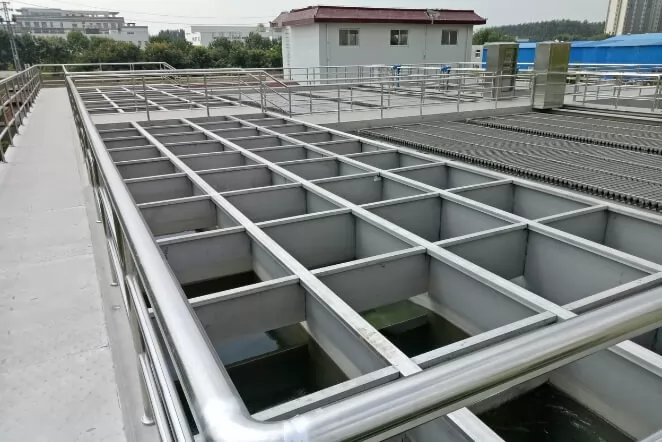
 When sourcing a Sewage Treatment Plant (STP), the first question on every procurement manager's mind is: "How much will it cost?"
It’s the most important question, but often the hardest to answer. An STP is a complex system tailored to specific water quality requirements, capacities, and environmental standards.
For a standard Packaged Sewage Treatment Plant (Containerized or Skid-mounted), prices typically range from $15,000 to $350,000+.
Note: Prices refer to the equipment cost only (FOB). Civil works, installation, and shipping are separate.
| Daily Capacity (m³/day) | Population Equivalent (Approx. PE) | Price Range (USD) | Typical Application |
|---|---|---|---|
| 10 - 30 | 50 - 150 PE | $15,000 - $30,000 | Small Hotels, Resorts, Camps |
| 30 - 100 | 150 - 500 PE | $30,000 - $65,000 | Schools, Small Housing Estates |
| 100 - 300 | 500 - 1,500 PE | $65,000 - $150,000 | Hospitals, Shopping Malls, Factories |
| 300 - 1,000 | 1,500 - 5,000 PE | $150,000 - $350,000 | Industrial Parks, Decentralized Municipal |
| 1,000+ | 5,000+ PE | Contact for Quote | Large Municipal Projects |
| Technology Type | Relative Cost | Pros | Cons |
|---|---|---|---|
| Conventional Activated Sludge (CAS) | $ (Low) | Reliable, proven technology. | Large footprint, lower effluent quality. |
| MBBR (Moving Bed Biofilm Reactor) | $$ (Medium) | Compact, high efficiency, handles shock loads well. | Requires specific media, slightly higher energy. |
| MBR (Membrane Bioreactor) | $$$ (High) | Best effluent quality, smallest footprint, ideal for reuse. | Higher initial cost, periodic membrane replacement. |
| SBR (Sequencing Batch Reactor) | $$ (Medium) | Good flexibility, batch operation. | Requires sophisticated automation. |
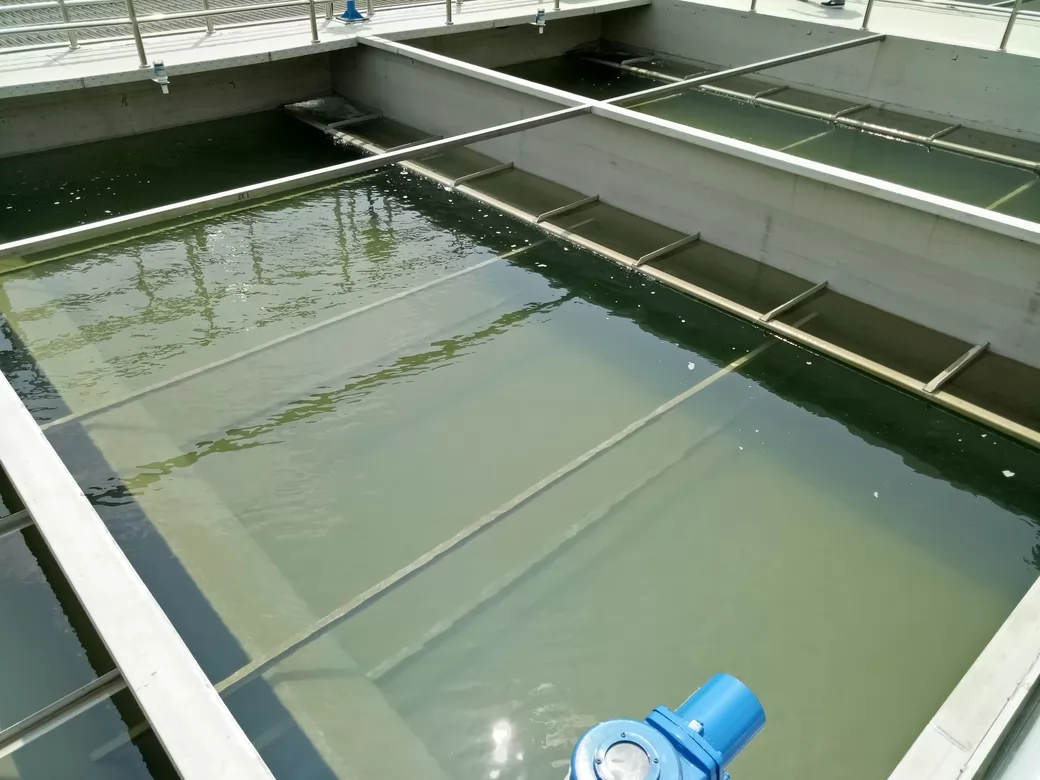
Understanding the main cost drivers can help you make informed decisions and avoid unexpected expenses when purchasing a Sewage Treatment Plant (STP).
The water quality requirements, both at the inlet and outlet, are the primary driver of STP cost.
Durability and corrosion resistance directly influence cost. Choose a material that balances CAPEX and OPEX.
The quality and brand of pumps, blowers, valves, and PLC/SCADA systems affect initial investment and long-term reliability.
Installation method affects total project cost and timeline.
Pro Tip: A lower initial price may result in higher long-term costs due to energy, maintenance, or compliance issues. Always evaluate Total Cost of Ownership (TCO).
Even after selecting the right Sewage Treatment Plant (STP), the initial equipment price rarely reflects the full cost. Smart buyers calculate the Total Cost of Ownership (TCO), which includes shipping, installation, commissioning, operating, and maintenance costs. Ignoring these hidden costs can turn a seemingly cheap system into a very expensive one over its lifecycle.
International Freight: STPs are bulky and often shipped as 20ft or 40ft containers. Shipping costs depend on weight, volume, shipping route, and port fees. Typical range: $2,000 – $10,000 per container.
Customs and Import Duties: Import taxes, clearance fees, and local port handling charges can add 5%–15% of the equipment cost.
Local Transportation: Moving the STP from port to installation site may require specialized trucks or cranes, especially for large-scale units.
Civil Works / Site Preparation: Includes excavation, concrete foundations, piping, and access roads. Cost varies with soil conditions, site elevation, and project location.
Equipment Assembly / Integration: For civil-installed systems, connecting tanks, pumps, blowers, and control systems requires skilled labor and time.
Startup & Commissioning: On-site engineers or technicians typically charge $300–$500 per day, plus travel, accommodation, and per diem. Commissioning ensures the plant operates according to design specifications.
Permitting & Inspections: Local environmental or building permits may require fees and inspections before operation.
Long-term operational expenses often exceed initial CAPEX over the plant’s life.
Electricity Consumption: Blowers, aerators, and pumps are the largest contributors to operational costs. Energy-efficient designs reduce long-term expenditure.
Chemical Costs: Chlorine, coagulants, flocculants, and pH adjusters are required for proper treatment. Costs depend on water characteristics and regulatory requirements.
Sludge Handling & Disposal: Regular removal, transport, and disposal of sludge according to local regulations. Costs increase with sludge volume and disposal distance.
Maintenance & Spare Parts:
MBR Membranes: Replacement every 5–7 years (depending on load and water quality).
Diffusers, Pumps, Valves: Periodic replacement or servicing to maintain performance.
Instrumentation & Automation: Sensors, PLCs, and control panels may need calibration or software updates.
Inflation & Material Price Fluctuations: Steel, concrete, and chemical prices can vary during procurement and construction, affecting total cost.
Exchange Rate Variations: For imported equipment, fluctuations in currency exchange rates can impact project cost.
Delays & Contingencies: Weather, labor shortages, or regulatory delays can increase labor and equipment mobilization costs.
Selecting the right Sewage Treatment Plant (STP) is critical to ensure regulatory compliance, operational efficiency, and long-term cost-effectiveness. With so many options, a poor choice can result in frequent downtime, high operating costs, or environmental non-compliance. Here’s a detailed guide to help you make an informed decision:
Daily Flow Rate: Estimate the average and peak wastewater volumes (m³/day) to size the STP appropriately. Undersized plants fail to meet discharge standards, while oversized plants increase CAPEX unnecessarily.
Population Equivalent (PE): For municipal or residential applications, calculating PE helps determine the treatment load.
Future Expansion: Consider potential growth in population or industrial production to avoid frequent upgrades.
Tip: Use both average and peak flows to select a plant that can handle fluctuations efficiently.
Discharge Standards: Identify local or national wastewater discharge regulations (BOD, COD, TSS, nitrogen, phosphorus).
Reuse Requirements: If you intend to reuse treated water for irrigation, flushing, or industrial processes, tertiary treatment or advanced systems like MBR (Membrane Bioreactor) are required.
Influent Characteristics: Industrial wastewater may contain chemicals, heavy metals, or high organic load, which influence system design and technology choice.
STPs use various treatment technologies. Each has trade-offs in terms of efficiency, footprint, cost, and maintenance:
| Technology | Pros | Cons | Typical Use |
|---|---|---|---|
| Conventional Activated Sludge (CAS) | Proven, reliable, moderate cost | Large footprint, moderate effluent quality | Municipal, industrial wastewater |
| MBBR (Moving Bed Biofilm Reactor) | Compact, flexible, handles load fluctuations | Requires special bio-media, higher energy | Industrial parks, decentralized plants |
| MBR (Membrane Bioreactor) | Best effluent quality, small footprint, water reuse possible | High CAPEX, membrane replacement required | Water reuse, space-limited sites |
| SBR (Sequencing Batch Reactor) | Flexible, batch operation, good control | Requires automation and skilled operators | Medium-sized municipal or industrial plants |
Tip: Consider long-term OPEX, not just CAPEX, when selecting technology.
Carbon Steel (coated): Cost-effective, lifespan 10–15 years, requires maintenance.
Fiberglass (FRP): Lightweight, corrosion-resistant, moderate cost.
Stainless Steel (304/316): High corrosion resistance, lifespan 20+ years, premium cost.
Tip: Choose materials based on wastewater corrosivity, maintenance capability, and expected plant lifetime.
Packaged/Containerized Plants: Pre-assembled units, fast installation, minimal civil works. Slightly higher equipment cost.
Civil Works / On-Site Installation: Equipment supplied as individual components; installation in concrete tanks. Lower equipment cost but high civil work and labor cost.
Tip: Containerized units are ideal for tight schedules or temporary installations.
Basic Systems: Local PLC or relay control; suitable for standard applications.
Advanced Automation: Siemens/Schneider PLC, remote monitoring, SCADA integration. Enables real-time performance tracking and predictive maintenance.
Data Logging: Ensure the system records flow, load, water quality, and alarms.
Tip: For industrial or water reuse applications, advanced automation improves reliability and reduces labor costs.
Shipping & Handling: Especially for large containerized units.
Civil Works: Excavation, foundations, piping, access roads.
Commissioning: Technician costs for startup.
Operating Costs (OPEX): Electricity, chemicals, sludge disposal, routine maintenance.
Spare Parts & Membrane Replacement: MBR or other advanced systems require periodic replacements.
Tip: Always calculate Total Cost of Ownership (TCO), not just the sticker price.
Track Record: Choose manufacturers with proven experience and references.
After-Sales Support: Training, maintenance support, and spare parts availability.
Certifications: ISO, CE, or local environmental approvals ensure compliance and quality.
Tip: Don’t compromise on manufacturer reliability; poor service or quality can lead to costly downtime.
Available Space: MBR or packaged plants are suitable for limited space.
Accessibility: For maintenance and sludge removal.
Environmental Conditions: Underground installation, flood zones, or high temperatures may require special design considerations.
Choosing the right STP requires balancing CAPEX, OPEX, footprint, and water quality requirements. Consider the following workflow:
Determine flow rate and population equivalent.
Identify discharge and reuse standards.
Select appropriate technology and materials.
Choose installation type and automation level.
Calculate hidden costs and TCO.
Verify manufacturer reliability and support.
Assess site-specific constraints.
Pro Tip: Always plan for long-term operation and potential future expansion. A higher upfront investment in quality, automation, and materials often reduces total lifecycle costs.
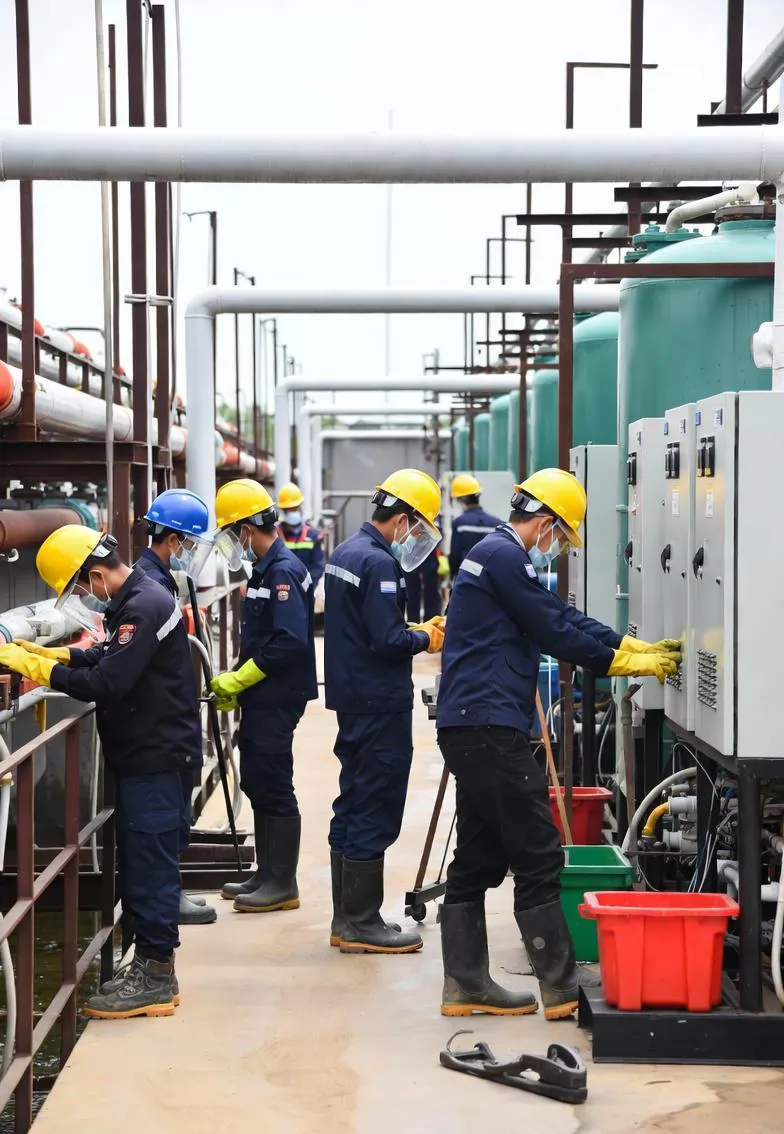
Getting a precise quote is crucial to avoid surprises during procurement and budgeting. The price of an STP depends on multiple factors, including capacity, technology, water quality requirements, and site conditions. Providing clear and complete information to the manufacturer or supplier ensures that you receive a quote that truly reflects your project needs.
Domestic Sewage: Household wastewater is relatively predictable in composition (BOD, COD, TSS).
Industrial Wastewater: Contains chemicals, high organics, or varying pH. May require specialized treatment.
Hospital or Laboratory Wastewater: May contain pathogens or pharmaceuticals, requiring advanced disinfection and treatment.
Tip: Include influent characteristics like BOD, COD, TSS, pH, temperature, and presence of oils, chemicals, or heavy metals.
Average Flow: Typical volume of wastewater per day (m³/day).
Peak Flow: Maximum flow during the day. Some STPs are designed to handle peak flows 1.2–1.5x higher than average.
Future Growth: Anticipate population increase or industrial expansion. Choosing a plant with extra capacity avoids frequent upgrades.
Tip: Accurate flow data prevents undersized or oversized systems, ensuring efficiency and compliance.
Regulatory Discharge: Specify local or national wastewater standards (BOD, COD, TSS, nitrogen, phosphorus).
Reuse Requirement: If treated water will be reused for irrigation, flushing, or industrial processes, the system may need tertiary treatment or MBR technology.
Special Requirements: Some projects require odor control, heavy metal removal, or pathogen elimination.
Tip: Provide both the minimum regulatory requirement and desired effluent quality to avoid under- or over-specification.
Above Ground vs. Underground: Some STPs are containerized or skid-mounted; others require civil works in concrete tanks.
Site Conditions: Include soil type, groundwater level, accessibility for trucks or cranes, and any space constraints.
Environmental Factors: Flood risk, extreme temperatures, or corrosive environments may affect material choice and plant design.
Tip: Including site drawings or photos helps suppliers evaluate logistics, foundation requirements, and installation complexity.
Automation Level: Basic PLC vs. advanced SCADA and remote monitoring.
Power Supply: Voltage, phase, and reliability of electricity.
Expected Operating Hours: Continuous operation vs. batch operation.
Budget or CAPEX Range: Helps suppliers suggest appropriate technology and capacity.
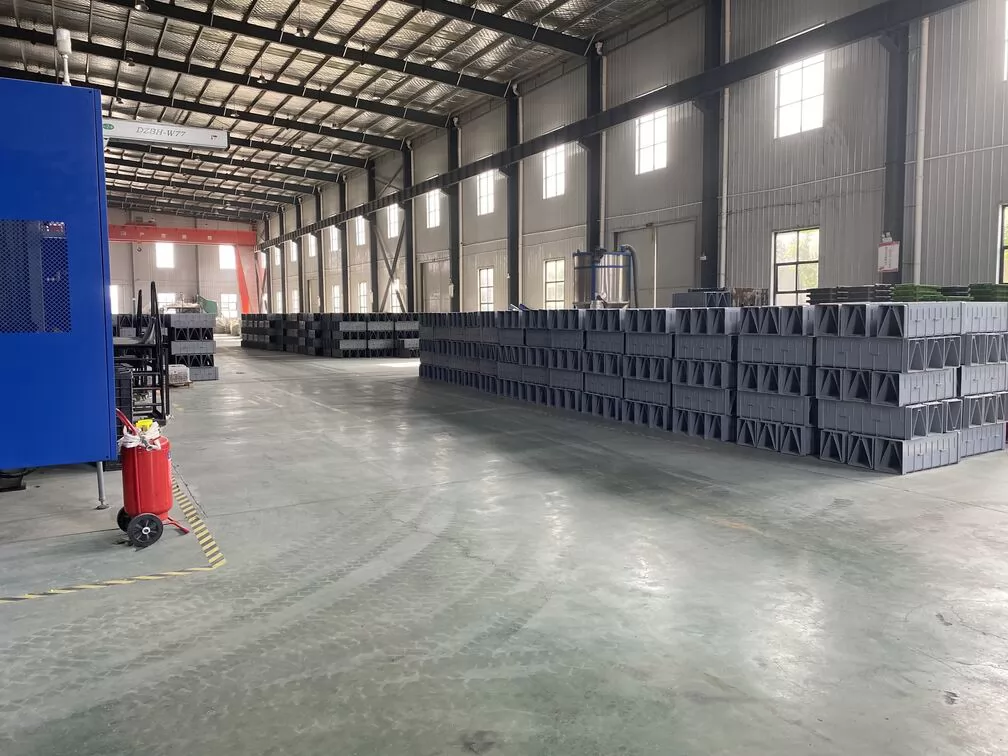
Investing in a Sewage Treatment Plant (STP) is not just about the initial purchase price—it’s a strategic decision that balances CAPEX, OPEX, environmental compliance, and long-term reliability. A well-designed plant ensures operational efficiency, regulatory compliance, and sustainable wastewater management, while a poorly chosen system can lead to frequent breakdowns, higher energy costs, and environmental risks.
When choosing an STP, consider capacity, technology, materials, installation method, automation, and hidden costs. Providing accurate project information ensures that suppliers can give a quote that truly reflects your needs.
At Weilai, we specialize in delivering customized, high-quality sewage treatment solutions for industrial, commercial, and municipal applications. Our focus is on value engineering, reliability, and regulatory compliance, ensuring that every system we provide is robust, cost-effective, and easy to operate.
Whether you are planning your first STP or upgrading an existing plant, Weilai is committed to helping you make informed decisions and providing the support you need throughout the lifecycle of your system.
Ready to get your customized 2025 STP quote? Contact Weilai today to discuss your project and receive a detailed proposal tailored to your specific requirements.


Your Name*
Your Email*