Types of Wastewater Treatment Plants: A Complete Guide
Dec 29, 2025
Weilan
Choosing the wrong wastewater treatment plant can lead to regulatory fines, high operating costs, and system failure. This complete guide explains the types of wastewater treatment plants by process, technology, and application—so you can confidently select the most efficient and cost-effective solution.
Types of Wastewater Treatment Plants by Treatment Process
Wastewater treatment plants are commonly classified based on the treatment process they use to remove contaminants. Understanding these process-based categories helps engineers, plant owners, and decision-makers match treatment performance with discharge standards, operating costs, and reuse goals.
1. Physical Treatment Processes (Primary)
These processes use physical forces like gravity or mechanical barriers to remove solids.
Sedimentation / Clarification: Uses settling tanks to let heavy solids sink to the bottom and light materials float to the top.
Screening & Grit Removal: Uses metal screens to catch large objects and grit chambers to settle out sand and gravel.
Dissolved Air Flotation (DAF): Injects air into the water to lift oils and light suspended solids to the surface.
2. Biological Treatment Processes (Secondary)
These processes use microorganisms (bacteria) to break down organic matter.
Activated Sludge Plant (ASP): Uses air/oxygen to stimulate bacteria in aeration tanks. The bacteria are later settled out as "activated sludge."
Membrane Bioreactor (MBR): Combines biological digestion with micro-filtration membranes, eliminating the need for secondary clarifiers.
Sequential Batch Reactor (SBR): A version of activated sludge where all treatment steps occur in one tank in a timed sequence.
Trickling Filters: Wastewater is dripped over a bed of media (rocks or plastic) where a layer of microbes grows and filters the water.
Anaerobic Digestion: Uses bacteria that thrive without oxygen to treat high-strength waste, often producing biogas.
3. Chemical & Physico-Chemical Processes
Usually used for industrial waste to target specific chemical contaminants.
Chemical Precipitation: Adding chemicals to turn dissolved pollutants (like metals) into solid particles.
Coagulation & Flocculation: Adding agents to make tiny particles clump together so they can be filtered or settled easily.
Advanced Oxidation (AOP): Uses UV light and oxidants like Ozone to destroy complex organic pollutants.
4. Advanced / Tertiary Treatment
Used for high-level polishing of water before reuse or discharge into sensitive areas.
Disinfection: The use of Chlorine, UV Light, or Ozone to kill pathogens.
Nutrient Removal: Biological or chemical processes specifically designed to remove Nitrogen and Phosphorus.
Reverse Osmosis (RO): Pushing water through a semi-permeable membrane to remove salts and microscopic impurities.
Types of Wastewater Treatment Plants by Technology
Wastewater treatment plants can also be classified by the treatment technology they use. Different technologies affect system footprint, automation level, effluent quality, and long-term operating costs. Selecting the right technology helps balance performance, compliance, and investment efficiency.
Technology
Key Features
Best For
Activated Sludge Process (ASP)
Mature, cost-effective, reliable
Municipal wastewater
MBR (Membrane Bioreactor)
Compact, high effluent quality
Urban & industrial reuse
SBR (Sequencing Batch Reactor)
Flexible operation, fewer tanks
Small to medium plants
MBBR (Moving Bed Biofilm Reactor)
Low sludge, easy retrofit
Industrial wastewater
Traditional technologies such as the Activated Sludge Process (ASP) are widely adopted due to their proven reliability and cost-effectiveness, especially in municipal wastewater treatment plants. These systems are suitable for stable operating conditions and large treatment capacities.
Advanced technologies like MBR, SBR, and MBBR are increasingly used where space is limited or higher effluent quality is required. They offer advantages such as compact layouts, flexible operation, and improved treatment performance, making them ideal for industrial wastewater treatment and water reuse projects.
When comparing technologies, factors such as available land, influent characteristics, discharge standards, and operational complexity should be carefully evaluated to ensure long-term efficiency and regulatory compliance.
Types of Wastewater Treatment Plants by Application
Different industries and sectors generate wastewater with unique characteristics. Matching the plant type to the application is critical for compliance, efficiency, and ROI.
Municipal Wastewater Treatment Plants
Serve residential and commercial areas
Designed for variable flow and load
Focus on regulatory compliance and reliability
Municipal wastewater treatment plants are specifically designed to handle the fluctuating volumes and diverse contaminants typical of residential and commercial areas. By implementing efficient primary, secondary, and sometimes tertiary treatment processes, these systems ensure safe discharge into the environment while maintaining full regulatory compliance.
Industrial Wastewater Treatment Plants
Customized for specific pollutants (oil, heavy metals, chemicals)
Higher treatment intensity required
Often integrated with water reuse systems
Industrial wastewater treatment plants are tailored to treat wastewater with high concentrations of pollutants such as oils, heavy metals, or chemical residues. These systems are designed to meet strict discharge standards, minimize environmental impact, and, in many cases, allow treated water to be reused within the facility, improving operational efficiency.
Decentralized & Package Treatment Plants
Compact, modular, and fast to deploy
Ideal for hotels, hospitals, remote sites
Lower civil construction cost
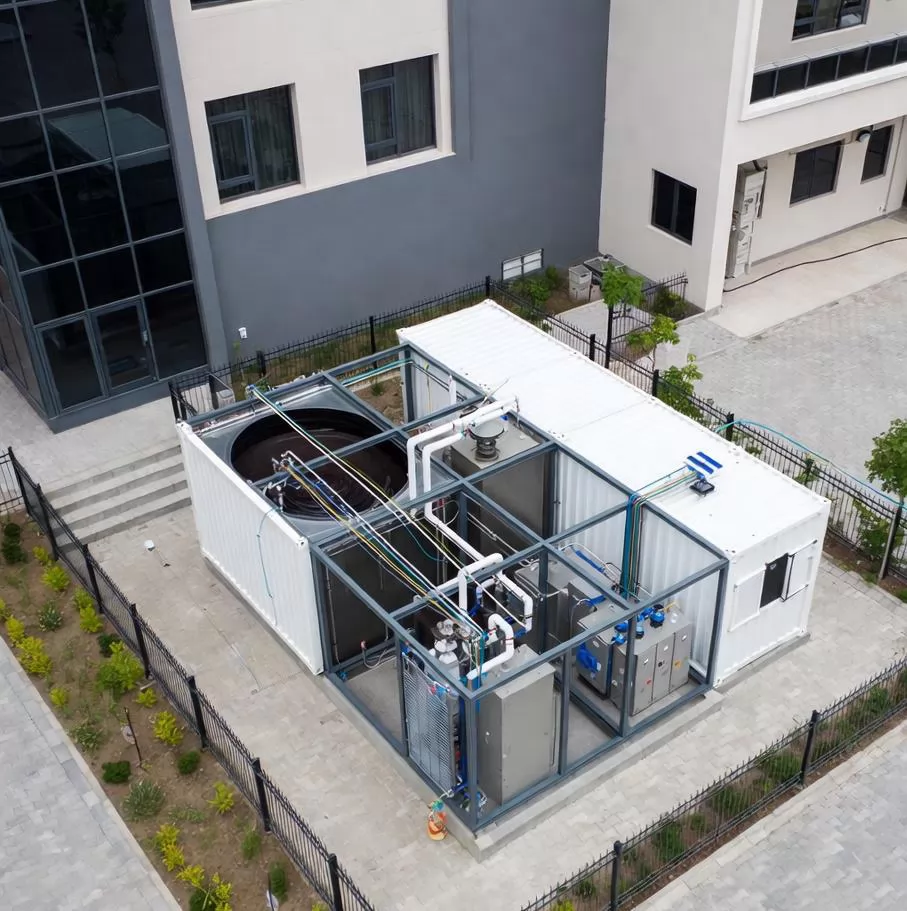
Decentralized or packaged wastewater treatment plants are modular systems designed for small-scale or remote applications. They offer quick deployment and a compact footprint, making them ideal for hotels, hospitals, or rural communities where constructing a full-scale municipal system is impractical, while also reducing civil construction costs.
How to Choose the Right Type of Wastewater Treatment Plant
Selecting the right wastewater treatment plant depends on technical, financial, and regulatory factors.
A professionally designed system can reduce operating costs by 20–40% over its lifecycle.
Conclusion
Understanding the types of wastewater treatment plants is essential for achieving regulatory compliance, optimizing operational efficiency, and promoting sustainable water management. Selecting the right treatment process and technology ensures long-term reliability and cost-effectiveness.
For companies and municipalities seeking professional wastewater treatment solutions,Weilan provides a comprehensive range of systems and services tailored to different applications, from municipal and industrial plants to decentralized and modular solutions. Explore our website to learn how our expertise can help you implement effective and sustainable wastewater management strategies.


_1766994032_WNo_1600d900.webp)