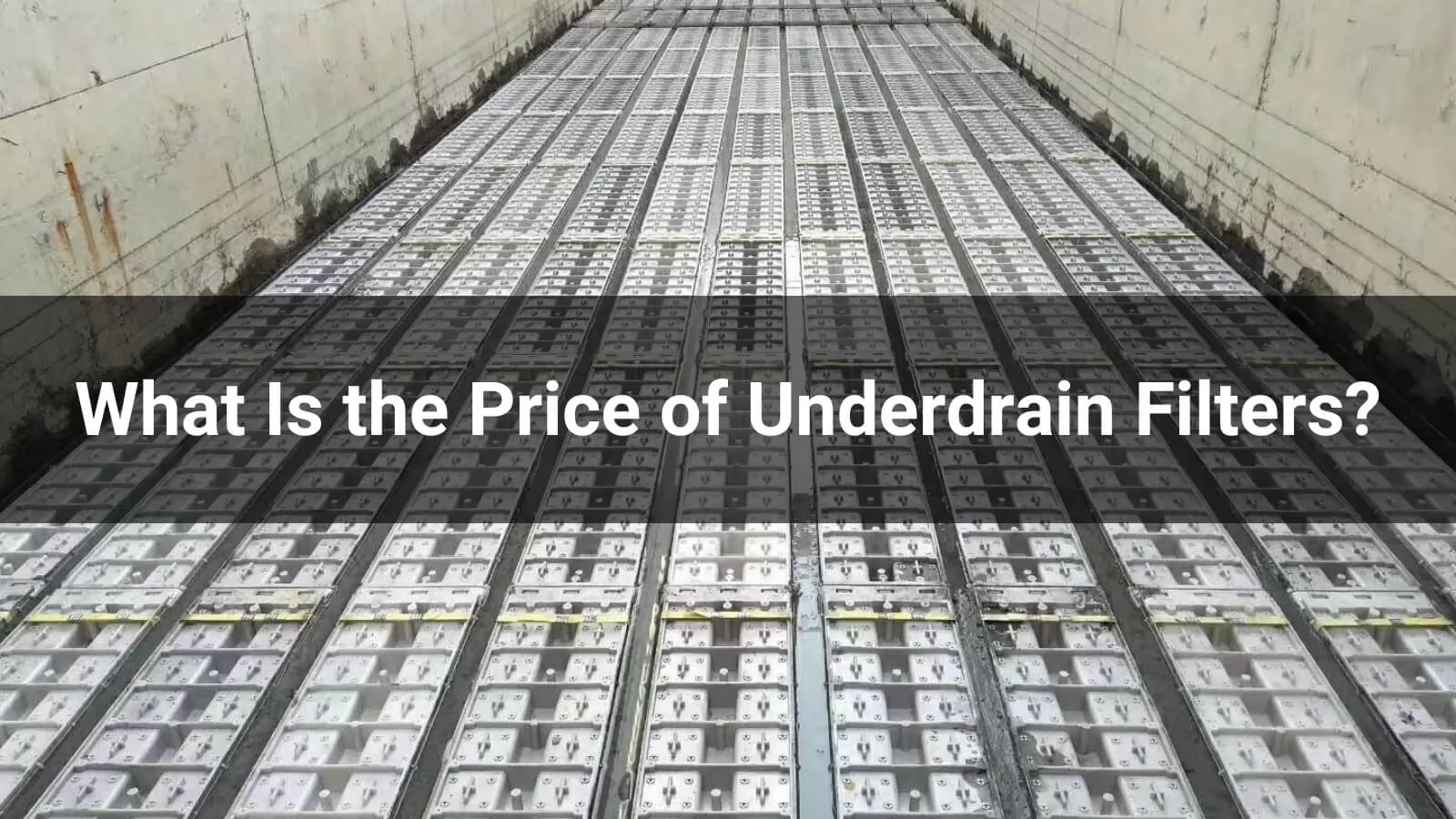
Designing or upgrading a water treatment system often starts with one critical question: how much will the underdrain filter cost? For engineers, EPC contractors, and project owners, pricing is closely tied to performance, lifespan, and system reliability.
This guide breaks down 2026 underdrain filter prices by type and application, helping readers quickly understand cost ranges, key influencing factors, and how to select the right solution for their project.
| Underdrain Filter Type | Typical Price Range (USD) | Applicable Scenarios |
| HDPE Underdrain Filter | $30 – $120 / m² | Municipal water treatment, wastewater plants, corrosion-resistant filtration systems |
| Stainless Steel Underdrain Filter | $150 – $450 / m² | High-temperature, high-pressure, or chemically aggressive filtration environments |
| Block Underdrain | $25 – $90 / m² | Gravity filters, sand filters, cost-sensitive municipal or industrial projects |
| Nozzle Underdrain | $2 – $15 / piece | Rapid gravity filters, dual-media filters, retrofitting existing filter tanks |
| Monolithic Filter Underdrain | $180 – $600 / m² | Large-scale municipal plants requiring high flow uniformity and long service life |
| Small Treatment System Underdrain | $800 – $3,000 / system | Package water treatment units, rural or decentralized treatment systems |
| Large Treatment System Underdrain | $10,000 – $80,000 / system | Municipal water plants, industrial water and wastewater treatment facilities |
| Custom Plastic Underdrain Block | $60 – $200 / m² | Non-standard filter tanks, customized flow design, OEM or EPC projects |
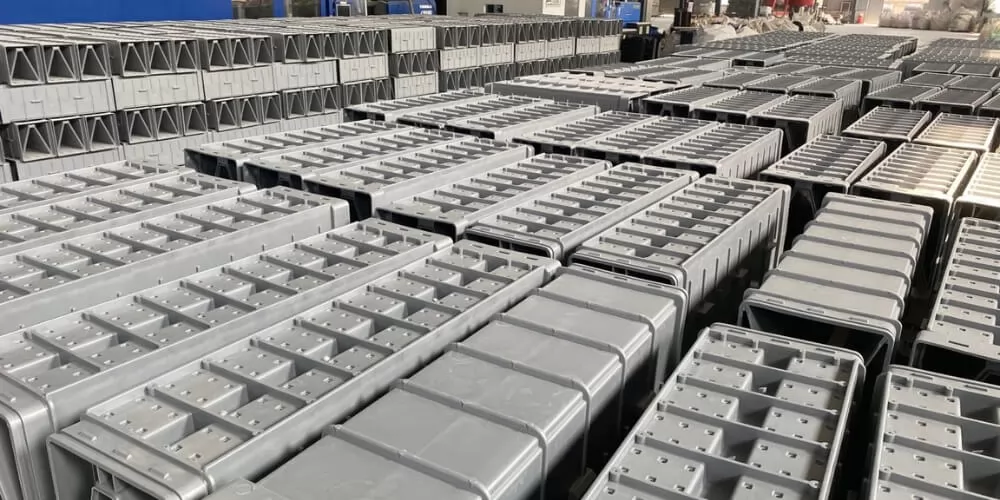
Price range: $30 – $120 / m²
HDPE underdrain filters are widely used due to their corrosion resistance, lightweight structure, and cost efficiency. The price typically depends on panel thickness, slot design, and load-bearing requirements, making them suitable for most municipal and industrial filtration systems.
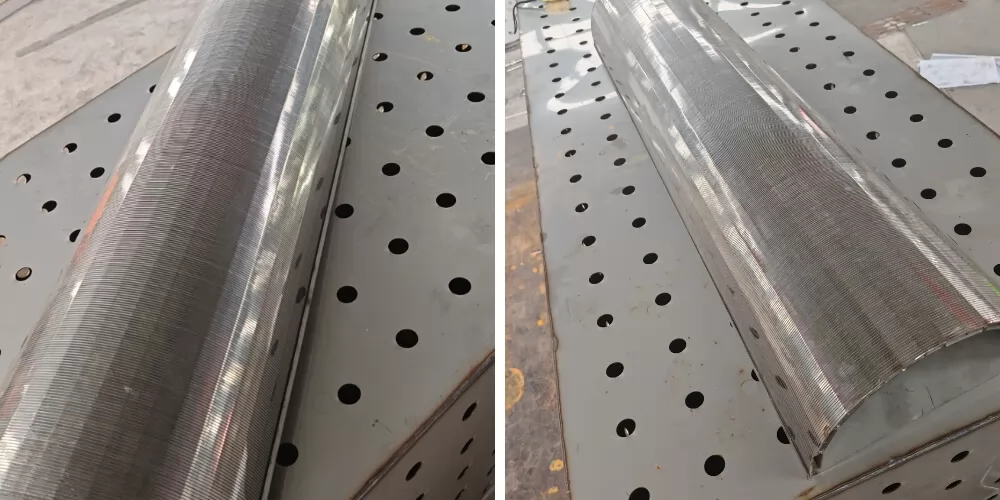
Price range: $150 – $450 / m²
Stainless steel underdrain filters are positioned at the higher end of the price range. Their cost is driven by material grade (such as 304 or 316), precision fabrication, and superior mechanical strength, making them ideal for harsh chemical, high-temperature, or high-pressure applications.
Price range: $25 – $90 / m²
Block underdrains are a traditional and economical solution commonly used in gravity filtration systems. Pricing is influenced by block material, structural design, and installation layout, offering a balance between affordability and basic filtration performance.
Price range: $2 – $15 / piece
Nozzle underdrains are priced per unit and are commonly used in rapid gravity and multimedia filters. Costs vary based on nozzle material, slot size, and flow distribution accuracy, especially in systems requiring uniform backwashing performance.
Price range: $180 – $600 / m²
Monolithic filter underdrains fall into a higher price range due to their integrated one-piece structure. Their pricing reflects advanced hydraulic design, excellent flow uniformity, and long service life, making them suitable for large-scale and high-performance water treatment plants.
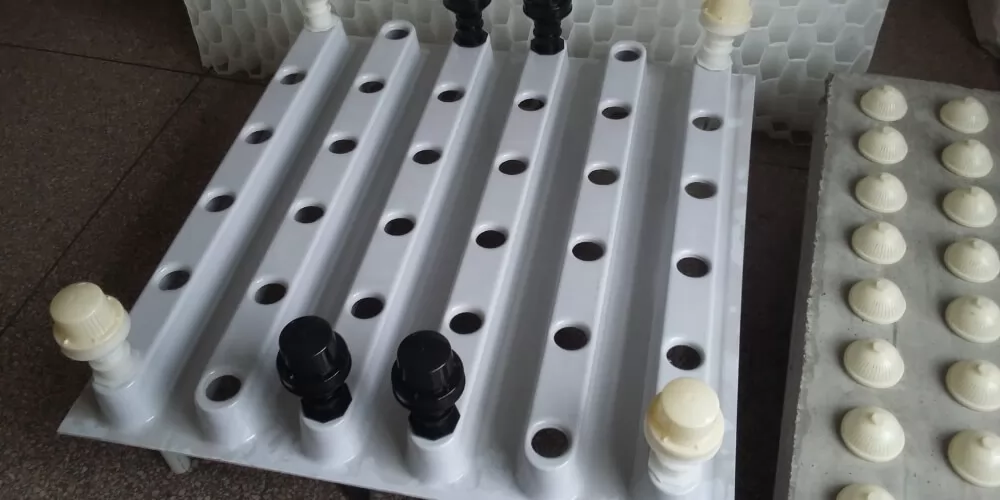
Price range: $80 – $660 / system
Underdrains designed for small treatment systems are typically sold as complete assemblies. Pricing is influenced by system capacity, modular design, and ease of installation, commonly used in package plants and decentralized water treatment projects.
Price range: $10,000 – $80,000 / system
Large treatment system underdrains involve higher upfront costs due to project-scale customization, structural reinforcement, and complex hydraulic design. These systems are engineered for high flow rates and long-term continuous operation in municipal and industrial facilities.
Price range: $60 – $200 / m²
Custom plastic underdrain blocks are priced based on tooling, material formulation, and non-standard dimensions. They are often selected for projects with unique tank geometries or specific flow distribution requirements, offering flexibility beyond standard underdrain solutions.
Material is one of the most significant cost drivers for underdrain filters. HDPE and plastic materials offer strong corrosion resistance at a lower cost, while stainless steel options increase pricing due to higher raw material and fabrication expenses but deliver superior strength and durability.
The overall dimensions of the filter tank and the required flow rate directly affect underdrain pricing. Larger systems require more underdrain panels, higher load-bearing designs, and reinforced structures, resulting in increased material and engineering costs.
Underdrain systems with advanced hydraulic design, such as uniform air and water distribution, typically cost more. Precision slot sizing, pressure balancing, and optimized flow paths improve filtration efficiency but require more complex manufacturing and testing.
Installation complexity also impacts pricing. Systems designed for easy installation or retrofitting may reduce labor costs, while underdrains requiring custom supports, anchoring, or special civil works can increase total project expenses.
Standard underdrain products are generally more cost-effective than customized solutions. Custom tank dimensions, non-standard nozzle layouts, special slot sizes, or OEM-specific designs add engineering and production costs, especially for smaller order quantities.
In 2026, underdrain filter prices vary widely based on material, structure, and system size. Standard HDPE or block underdrains are generally the most affordable, while stainless steel and monolithic underdrain systems fall into a higher price range due to material and engineering requirements.
HDPE underdrain filters and block underdrains are typically the most cost-effective options. They offer reliable performance for most municipal and industrial filtration applications without the higher costs associated with metal or fully integrated systems.
Stainless steel underdrain filters are often selected for applications involving high temperatures, aggressive chemicals, or heavy mechanical loads. While the initial cost is higher, their long service life and structural stability can justify the investment in demanding environments.
System size has a direct impact on price. Small treatment systems are usually supplied as compact assemblies, while large treatment systems require extensive customization, higher material volumes, and complex hydraulic design, all of which increase overall cost.
Yes, many underdrain filters can be customized to match tank dimensions, flow rates, and filtration media. Customization improves performance but typically increases lead time and project cost compared to standard designs.
Underdrain filter prices in 2026 vary based on material selection, system size, hydraulic design, and customization requirements. A clear understanding of these factors helps engineers and project owners make informed decisions that balance cost, performance, and long-term reliability.
For projects requiring proven designs, flexible customization, and consistent quality across different underdrain systems, Weilan is a reliable option worth considering in both municipal and industrial water treatment applications.


Your Name*
Your Email*